

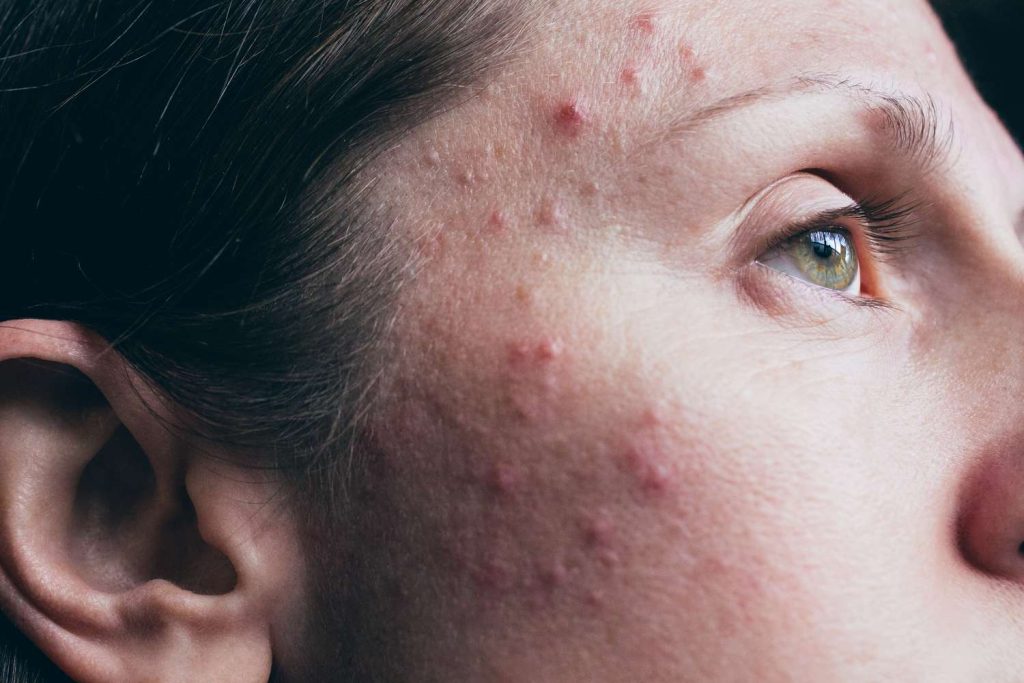
Acne vulgaris is one of the most common chronic inflammatory skin diseases, affecting up to 85% of adolescents and a growing number of adults worldwide. Although often perceived as a cosmetic issue, acne is a medical condition with significant physical and psychological consequences. Persistent acne can lead to scarring, post-inflammatory hyperpigmentation, and long-term impairment in quality of life, including anxiety, depression, and reduced self-esteem.
Over the past decade, acne management has evolved substantially, driven by advances in pathophysiologic understanding and the publication of high-quality, evidence-based clinical practice guidelines. International consensus now emphasizes that acne should be managed as a chronic inflammatory disease, requiring individualized, multimodal, and long-term treatment strategies rather than short-term symptom control alone [1],[3].
At Citrine Derma Clinic, acne treatment protocols are developed in alignment with international guidelines while being adapted to individual skin types, acne severity, and patient lifestyles. This article provides a comprehensive overview of evidence-based acne treatment, ranging from topical and systemic therapies to advanced in-clinic dermatologic procedures, supported by recent global guidelines and systematic reviews.
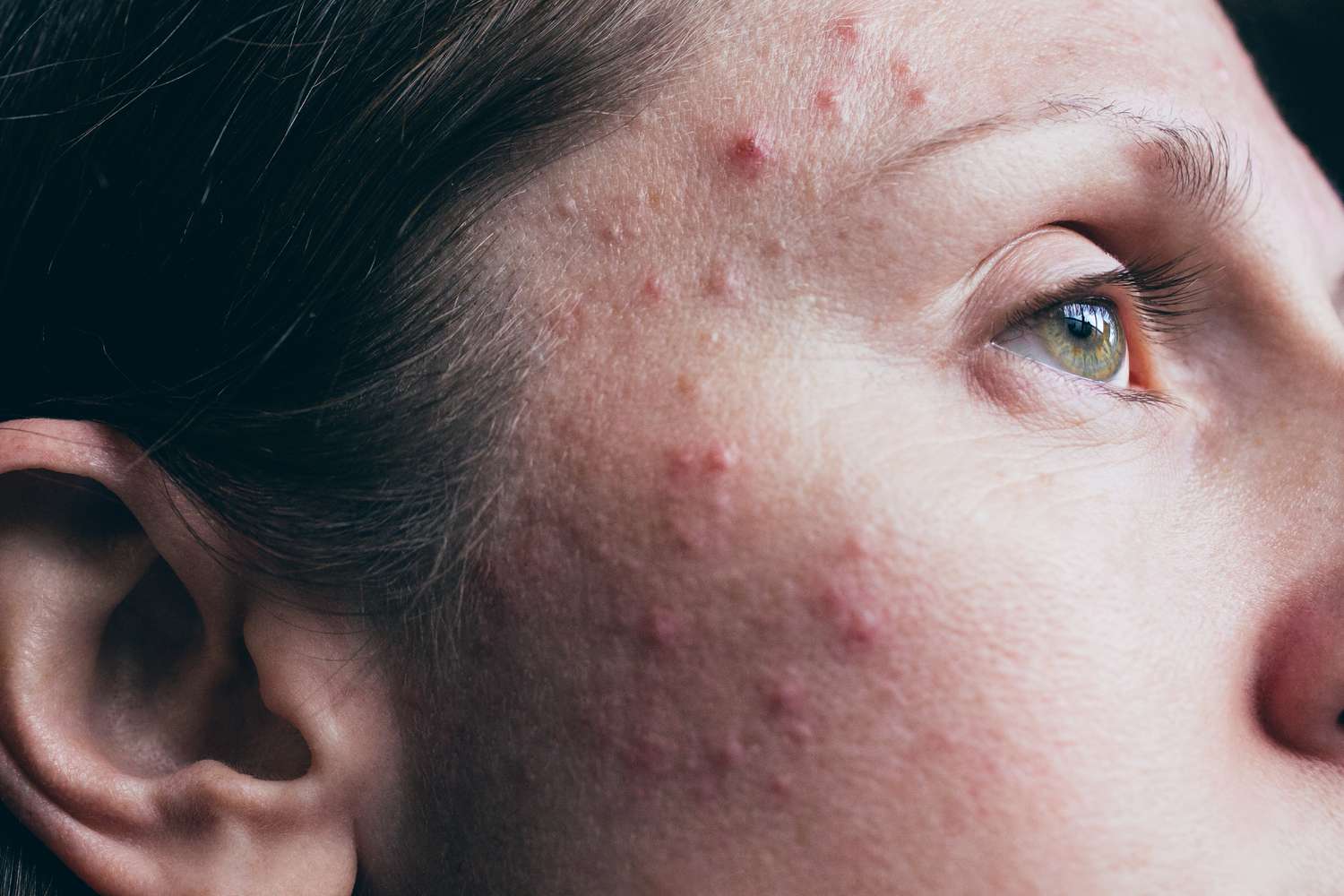
Acne vulgaris
Pathophysiology of acne vulgaris
A clear understanding of acne pathophysiology is essential for rational treatment selection. Acne vulgaris is driven by four interrelated pathogenic mechanisms: sebaceous gland hyperactivity, follicular hyperkeratinization, colonization by Cutibacterium acnes, and inflammation.
a. Sebaceous Gland Hyperactivity
Sebum production is primarily regulated by androgens. Increased androgen sensitivity or activity leads to sebaceous gland hypertrophy and excessive sebum secretion. Sebum not only contributes to follicular obstruction but also promotes an inflammatory microenvironment within the pilosebaceous unit.
b. Follicular Hyperkeratinization
Abnormal keratinocyte differentiation results in the accumulation of corneocytes within the follicular canal, forming microcomedones. These microcomedones represent the earliest subclinical lesion of acne and serve as precursors to both non-inflammatory and inflammatory acne lesions.
c. Cutibacterium acnes and Inflammation
C. acnes is a commensal bacterium that becomes pathogenic under acne-prone conditions. It activates innate immune pathways via toll-like receptors, triggering the release of pro-inflammatory cytokines such as IL-1β and TNF-α. This inflammatory cascade explains why acne is now recognized as an inflammatory disease from its earliest stages [2],[3].
The multifactorial nature of acne underscores the importance of combination therapy, as consistently recommended in international guidelines [1].
Evidence-based topical treatments
Topical therapy is the foundation of acne management and plays a central role in both active treatment and long-term maintenance.
a. Topical Retinoids
Topical retinoids (adapalene, tretinoin, tazarotene, and trifarotene) are universally recommended as first-line therapy for comedonal acne and as part of combination regimens for inflammatory acne. Their mechanisms include:
- Normalization of follicular keratinization
- Prevention of microcomedone formation
- Anti-inflammatory effects
The 2024 American Academy of Dermatology (AAD) Guidelines strongly recommend topical retinoids for nearly all acne severities, either alone or in combination with other agents [3]. At Citrine Derma Clinic, retinoid therapy is carefully customized to minimize irritation, particularly in patients with sensitive or post-procedure skin.
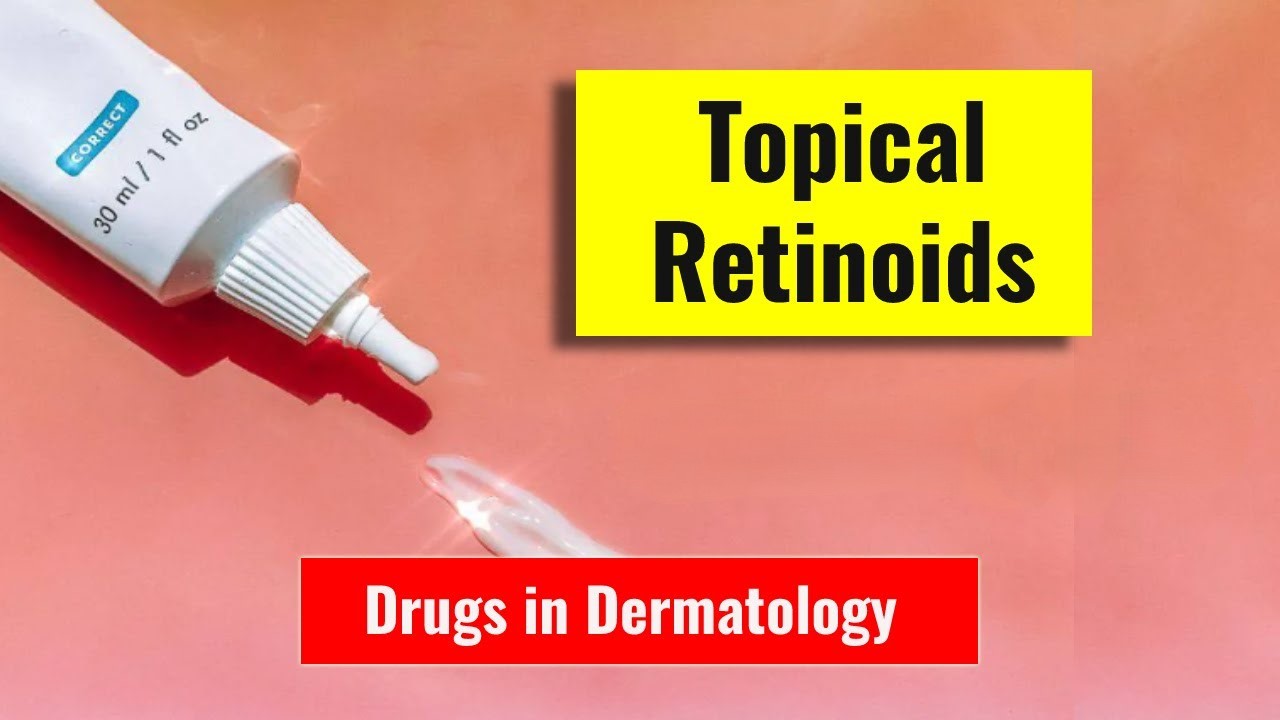
Topical retinoids
b. Benzoyl Peroxide
Benzoyl peroxide (BPO) has potent antibacterial activity against C. acnes without inducing bacterial resistance. It also provides mild keratolytic and anti-inflammatory benefits. Clinical guidelines consistently recommend BPO in combination with topical or oral antibiotics to reduce the risk of antimicrobial resistance [1],[3].
c. Topical Antibiotics
Topical antibiotics, such as clindamycin and erythromycin, reduce inflammatory lesions but should never be used as monotherapy. The Dermatological Society of Singapore guidelines emphasize limited duration and mandatory combination with BPO or retinoids to prevent resistance [2].
Systemic therapy: Indications and guideline-based use
Systemic therapy is indicated for moderate to severe inflammatory acne, acne involving large body surface areas, or cases unresponsive to topical therapy alone.
a. Oral Antibiotics
Oral tetracyclines (doxycycline, minocycline, sarecycline) are widely used for their anti-inflammatory and antibacterial properties. Evidence-based guidelines recommend:
- Limiting duration to the shortest effective period (typically ≤3–4 months)
- Always combining with topical maintenance therapy
These recommendations aim to balance efficacy with antibiotic stewardship [1],[3].
b. Hormonal Therapy
Hormonal therapy is particularly effective in female patients with hormonally driven acne, including adult-onset acne and acne associated with menstrual flares or polycystic ovary syndrome. Combined oral contraceptives and anti-androgen agents reduce androgen-mediated sebum production. The Singapore guidelines highlight hormonal therapy as a key option in selected female patients [2].
c. Oral Isotretinoin
Oral isotretinoin remains the most effective treatment for severe, nodulocystic, or treatment-resistant acne, targeting all major pathogenic pathways. The 2024 AAD guidelines reinforce its role while emphasizing careful patient selection, dose individualization, and comprehensive safety monitoring [3].
Role of advanced dermatologic procedures
In recent years, procedural dermatology has become an integral component of comprehensive acne management, particularly when combined with medical therapy.
a. Chemical Peels
Superficial chemical peels using salicylic acid, glycolic acid, or mandelic acid exert keratolytic, comedolytic, and anti-inflammatory effects. They are especially beneficial for:
- Comedonal acne
- Mild inflammatory acne
- Post-inflammatory hyperpigmentation
At Citrine Derma Clinic, chemical peels are incorporated into personalized acne protocols, with careful attention to skin type and barrier function.
b. Light and Laser-Based Therapies
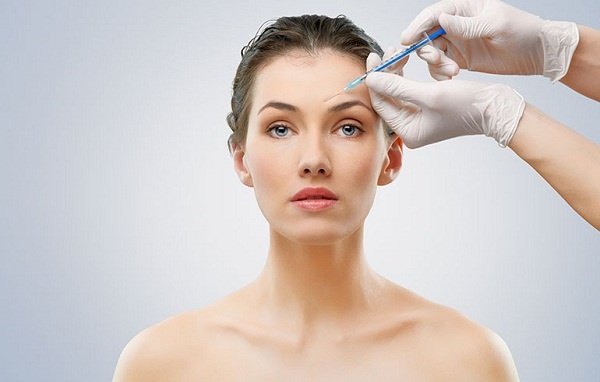
Light-based therapies, including IPL and laser systems, target C. acnes, sebaceous gland activity, and inflammation. These modalities are best positioned as adjunctive treatments, accelerating lesion resolution and reducing reliance on long-term systemic medications [1].
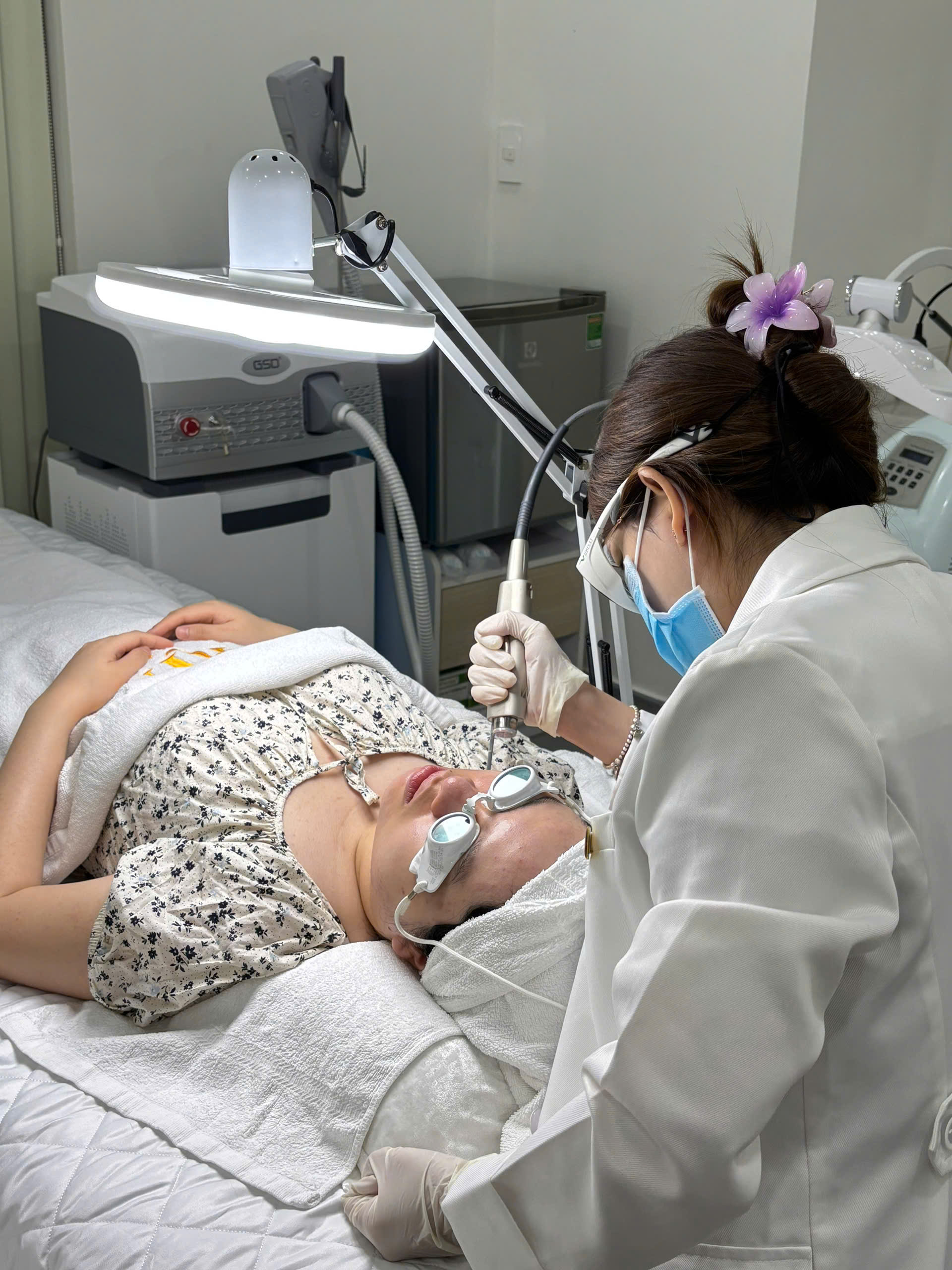
Laser-Based Therapies
c. Acne Scar Prevention and Early Intervention
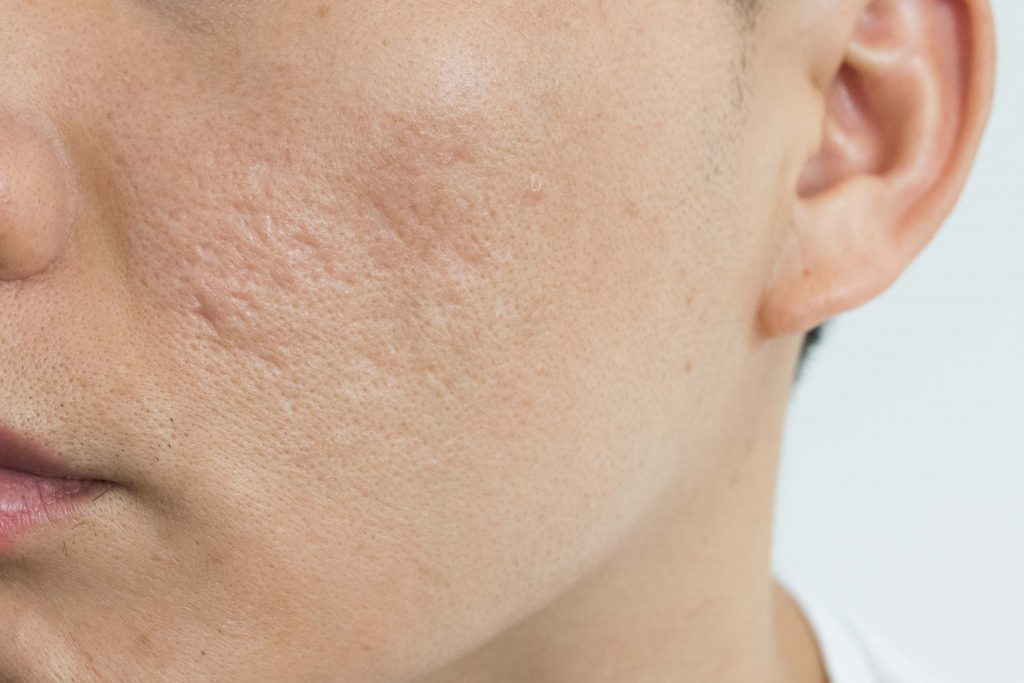
Early control of inflammation is critical for scar prevention. Procedures such as non-ablative lasers and microneedling may be introduced during later stages of acne vulgaris treatment to support dermal remodeling and improve overall skin texture.
Combination therapy and long-term maintenance
All major guidelines emphasize that acne is a chronic relapsing condition requiring long-term maintenance therapy. Combination treatment addresses multiple pathogenic factors simultaneously, resulting in faster improvement and lower relapse rates [1],[3].
Maintenance regimens typically include:
- Topical retinoids
- Non-comedogenic skincare
- Periodic in-clinic procedures, when appropriate
At Citrine Derma Clinic, patient education and adherence support are considered essential components of successful long-term acne control.
Special considerations in asian skin types
Patients with Asian skin types are more prone to post-inflammatory hyperpigmentation and barrier sensitivity. The Singapore acne guidelines emphasize cautious use of aggressive therapies and early integration of barrier-repair strategies [2]. Personalized treatment planning is therefore critical to optimize outcomes while minimizing adverse effects.
Conclusion
Evidence-based acne vulgaris treatment requires an integrated understanding of acne pathophysiology, guideline-driven medical therapy, and the strategic use of advanced dermatologic procedures. From topical retinoids and systemic medications to chemical peels and light-based technologies, modern acne management is inherently multimodal.
By aligning international clinical guidelines with individualized patient care, Citrine Derma Clinic delivers comprehensive, evidence-based acne vulgaris treatment aimed at achieving not only lesion clearance but also long-term skin health and improved quality of life.
References
- Corcoran, L., Muller, I., Layton, A. M., Rucinski, G., Venkatess, V., Sufraz, A., & Santer, M. (2023). Systematic review of clinical practice guidelines for acne vulgaris published between January 2017 and July 2021. Skin Health and Disease, 3(4), e240.
- Oon, H. H., Wong, S. N., Aw, D. C. W., Cheong, W. K., Goh, C. L., & Tan, H. H. (2019). Acne management guidelines by the Dermatological Society of Singapore. Journal of Clinical and Aesthetic Dermatology, 12(7), 34–50.
- Reynolds, R. V., Yeung, H., Cheng, C. E., Cook-Bolden, F., Desai, S. R., Druby, K. M., Freeman, E. E., et al. (2024). Guidelines of care for the management of acne vulgaris. Journal of the American Academy of Dermatology, 90(5), 1006.e1–1006.e30.