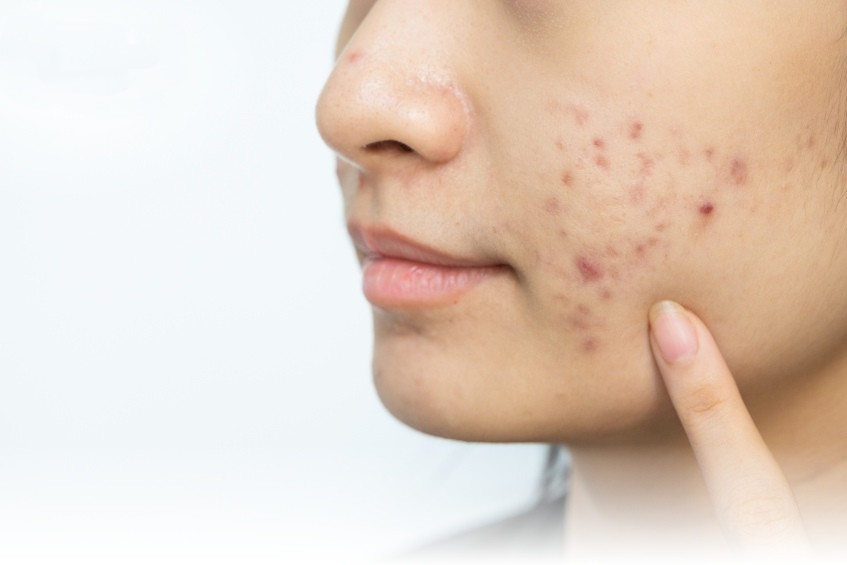


Acne vulgaris is one of the most prevalent dermatological conditions worldwide, affecting nearly 80% of adults at some stage of life. Although acne is not a life-threatening disease, its long-term consequences—including recurrent breakouts, post-inflammatory hyperpigmentation, weakened skin barrier, and permanent scarring—can significantly impact both physical appearance and psychological well-being.
Despite the wide range of acne treatments available today, many patients still struggle with relapsing acne, sensitive or compromised skin, and residual dark spots or scars. This has driven dermatologists to move beyond single-modality treatments and adopt multimodal, evidence-based approaches that target acne through multiple mechanisms while prioritizing skin recovery and safety.
Among the most advanced strategies is the combination of medical chemical peel with light-based technologies, such as Laser Fotona or IPL (Intense Pulsed Light). This synergistic approach has rapidly become a preferred option among good dermatologists in Ho Chi Minh City, especially at Citrine Derma Clinic, a trusted dermatology clinic in District 7.
At Citrine Derma Clinic, the “Chemical Peel + Light Therapy” protocol has been developed and refined by MD Chau Ngoc To Trinh, based on evidence-based medicine and individualized skin assessment. This combination therapy is now considered a modern gold standard for effective, safe, and sustainable acne treatment.
Let’s explore why this approach is reshaping modern acne management.
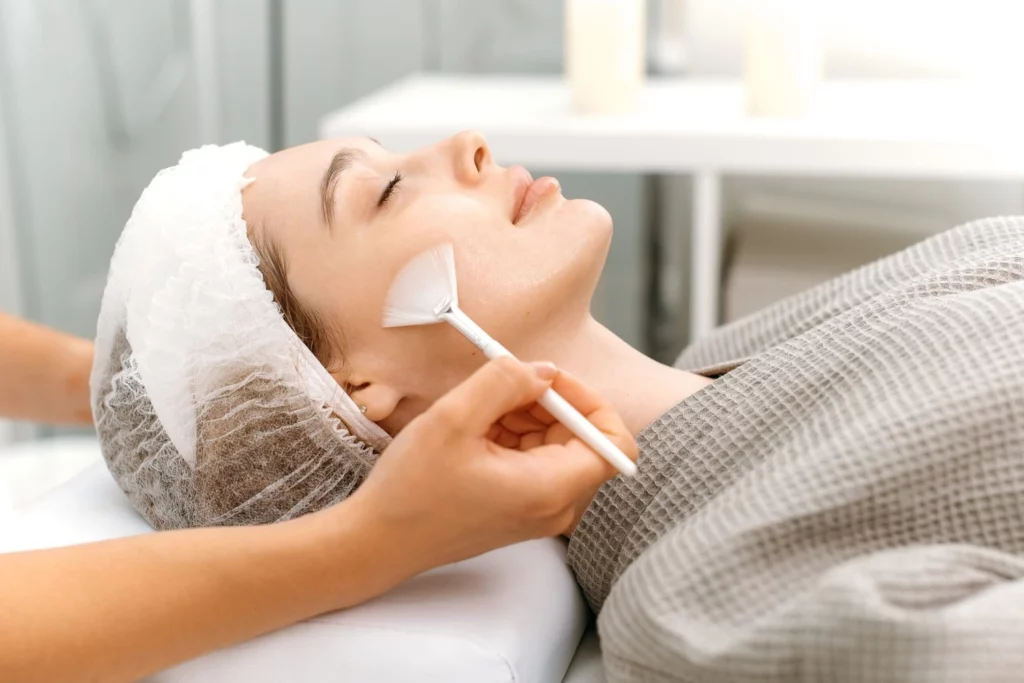
Chemical peel
Chemical peels and light-based technology:
A breakthrough combination in acne treatment
a. What is a medical chemical peel?
A medical chemical peel is a dermatological procedure that uses controlled concentrations of acids—such as AHA, BHA, TCA, or Mandelic Acid—to exfoliate the skin in a precise and therapeutic manner.
When performed correctly by a licensed dermatologist, chemical peels can:
- Deeply cleanse the skin surface
- Unclog pores and reduce comedones
- Accelerate resolution of inflammatory acne
- Fade post-acne hyperpigmentation
- Improve skin texture, brightness, and resilience
Unlike at-home peels, medical chemical peels are performed in a sterile clinical environment, ensuring safety for all skin types, including sensitive or acne-prone skin.
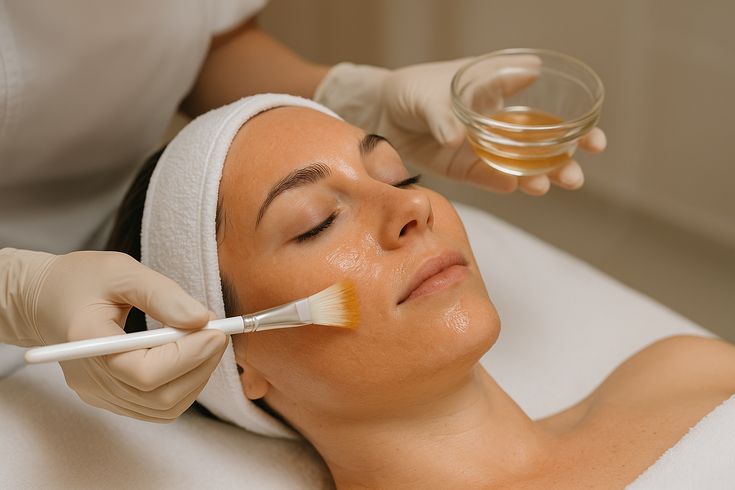
Medical chemical peel
b. Light-based technologies in acne treatment
Light-based therapies have become a cornerstone of modern dermatology due to their non-invasive nature and proven anti-inflammatory and antibacterial effects.
At Citrine Derma Clinic, two advanced technologies are commonly used:
🔹 Laser Fotona (Nd:YAG 1064 nm)
- Penetrates deeply into sebaceous glands
- Reduces sebum production
- Effectively targets Cutibacterium acnes
- Decreases inflammation and redness
🔹 IPL Extra 818 (Intense Pulsed Light)
- Utilizes multi-spectrum light
- Reduces erythema and inflammatory lesions
- Controls acne-related inflammation without damaging the epidermis
Both technologies are FDA-approved and widely recognized in global dermatology guidelines.
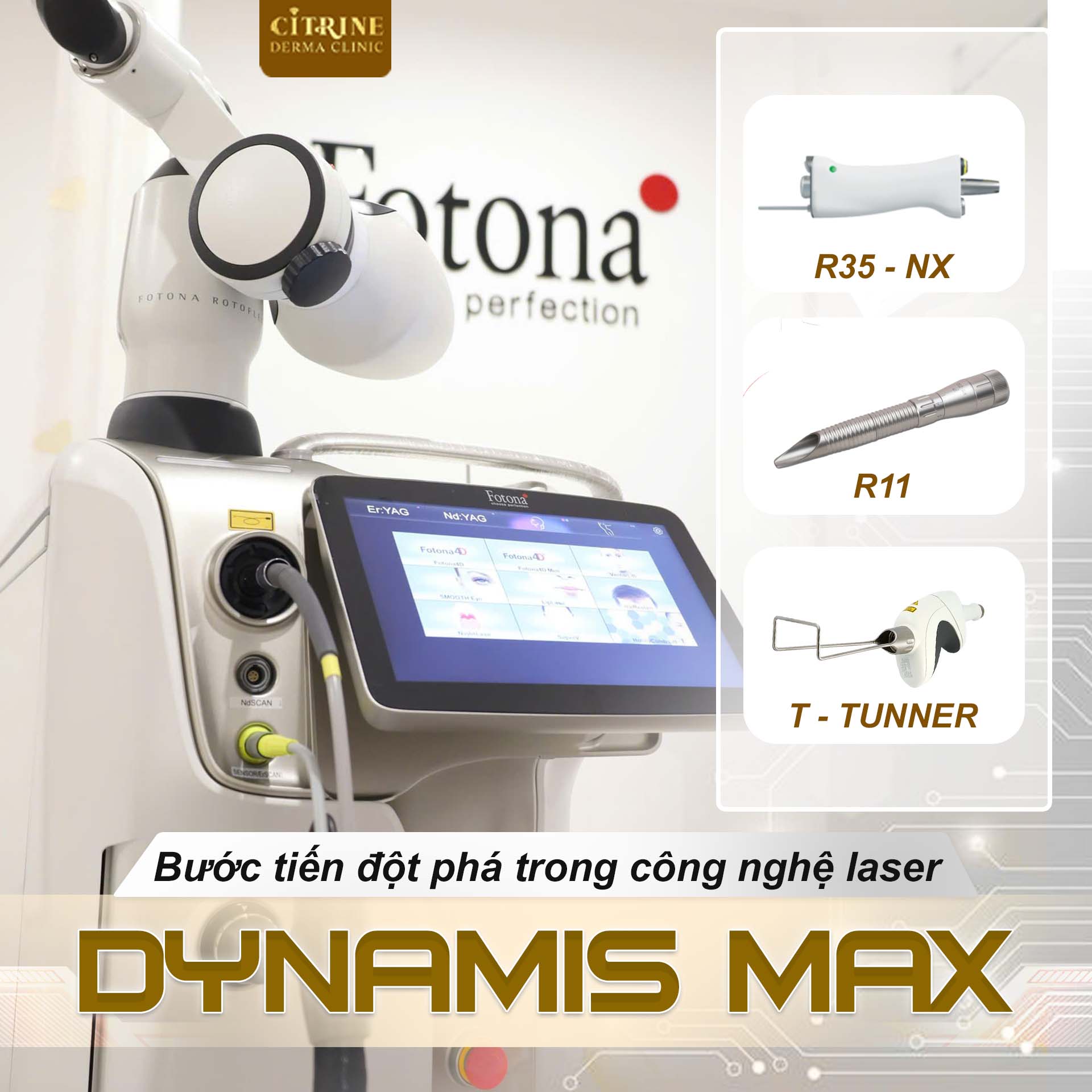
Laser Fotona Dynamis Max
Why combine chemical peels with light therapy?
According to Surprenant, Reserva & Tung (2020), combining chemical peels with light-based treatments significantly enhances acne outcomes compared to chemical peels alone, while also shortening skin recovery time [1].
This combination creates a synergistic effect:
- Chemical peels remove the keratinized barrier and unclog pores
- Light therapy penetrates deeper to eliminate bacteria and suppress inflammation
The result is dual-action acne control with faster, more stable improvement.
Synergistic Mechanism
Cleanse – Calm – Recover
When a chemical peel is performed first, the superficial stratum corneum is gently removed, allowing light energy to penetrate more effectively into the sebaceous glands and hair follicles.
🔹 Effects of chemical peels
- Exfoliate dead skin cells
- Reduce follicular blockage
- Regulate sebum secretion
- Enhance penetration of light energy
🔹 Effects of laser Fotona / IPL
- Destroy acne-causing bacteria
- Reduce redness and swelling
- Strengthen skin barrier function
- Improve overall skin health
📖 Kim & Armstrong (2011) reported that combining light-based therapies (laser or photodynamic therapy) with chemical peels leads to significant improvement in both inflammatory and non-inflammatory acne, with faster recovery and better patient satisfaction [2].
Key advantages of the
“Chemical peel + Laser/IPL” protocol at Citrine Derma Clinic
At Citrine Derma Clinic, this protocol is regarded as a signature acne treatment thanks to its deep personalization and clinical precision.
1. Superior acne clearance
- Chemical peels unclog pores while light therapy eliminates bacteria
- Clinical improvement rates of 70–90% after 4–6 sessions
2. Minimal downtime – Rapid recovery
- Mild redness for 1–2 days only
- No aggressive peeling or prolonged downtime
- Patients can resume daily activities immediately
3. Simultaneous improvement of post-acne marks
- Light energy helps fade hyperpigmentation
- Skin tone becomes more even and radiant
4. Fully personalized treatment plans
- Each protocol is designed by MD Chau Ngoc To Trinh
- Adjusted according to skin type, acne severity, and sensitivity
💬 “We do not apply a one-size-fits-all protocol. Every skin has its own language, and our role as dermatologists is to listen carefully to achieve optimal yet safe results.”
— MD Chau Ngoc To Trinh
This philosophy is what defines Citrine Derma Clinic as a good dermatology clinic in District 7 and a trusted dermatology clinic in Ho Chi Minh City.
Real case study at Citrine Derma Clinic
a. Patient Profile:
Female, 27 years old
Oily skin, moderate inflammatory acne, significant post-acne hyperpigmentation
b. Treatment Protocol:
- 3 sessions of medical chemical peel
- Alternating with 3 sessions of Laser Fotona / IPL Extra 818
- Recovery support: Elevai Exosome + HA Restorative serum
- Frequency: Once weekly for 6 weeks
c. Results:
- 85% reduction in inflammatory acne
- 70% reduction in blackheads
- Brighter, smoother, more even skin tone
- No downtime or adverse reactions
d. Patient Feedback:
“After just three sessions, my acne reduced dramatically. Dark spots faded, and my skin looked brighter. I felt completely safe knowing Dr. Trinh monitored every session closely.”
Important pre- and post-treatment considerations
a. Before treatment
- Discontinue AHA, BHA, retinol for at least 3 days
- Avoid squeezing acne or home peeling
- Inform the dermatologist about isotretinoin use or allergies
b. After treatment
- Intensive hydration with HA, B5, or Elevai stem cells
- Strict sun avoidance for 7 days
- Avoid exfoliating cleansers or active acids
- Apply SPF 50+ sunscreen every 3–4 hours
At Citrine Derma Clinic, every patient receives personalized aftercare instructions and is closely monitored to ensure optimal healing and prevent acne recurrence.
Conclusion:
A new era in modern acne management
The combination of medical chemical peels with light-based technologies (Laser Fotona or IPL) represents a major advancement in acne treatment, endorsed by dermatology experts worldwide.
This approach offers:
- Faster and safer acne reduction
- Effective control of inflammation
- Improvement of post-acne pigmentation
- Enhanced collagen stimulation and skin resilience
At Citrine Derma Clinic, a leading dermatology clinic in District 7, this protocol is performed by MD Chau Ngoc To Trinh and an experienced dermatology team, ensuring medical safety, personalization, and long-term results.
If you are struggling with persistent acne, dull skin, or post-acne marks, let Citrine Derma Clinic accompany you on your journey to healthier, clearer skin.
References
- Surprenant, D., Reserva, J., & Tung, R. (2020). Combination therapy in acne: Peels as adjuvant therapy. In Procedures in Cosmetic Dermatology Series: Chemical Peels (p. 125). Elsevier.
- Kim, R. H., & Armstrong, A. W. (2011). Current state of acne treatment: Highlighting lasers, photodynamic therapy, and chemical peels. Dermatology Online Journal, 17(3).
- Reynolds, R. V., et al. (2024). Guidelines of care for the management of acne vulgaris. Journal of the American Academy of Dermatology, 90(5), 1006.e1–1006.e30.
- Peel AHA & Laser Fotona – Bộ Đôi Hoàn Hảo Điều Trị Viêm Nang Lông Và Phục Hồi Da Căng Bóng
- Làn Da Không Tuổi Với 5 Cách Trẻ Hóa Da Tại Nhà Kết Hợp Điều Trị Công Nghệ Cao
- Giải Pháp Trẻ Hóa Mắt Và Mặt Toàn Diện Với Công Nghệ Siêu Âm Sofwave Và HIFU
- Chàm sữa ở trẻ em – Nguyên nhân và cách điều trị
- Tất Tần Tật Về Tiêm HA Căng Bóng Da – Lợi Ích Và Lưu Ý