

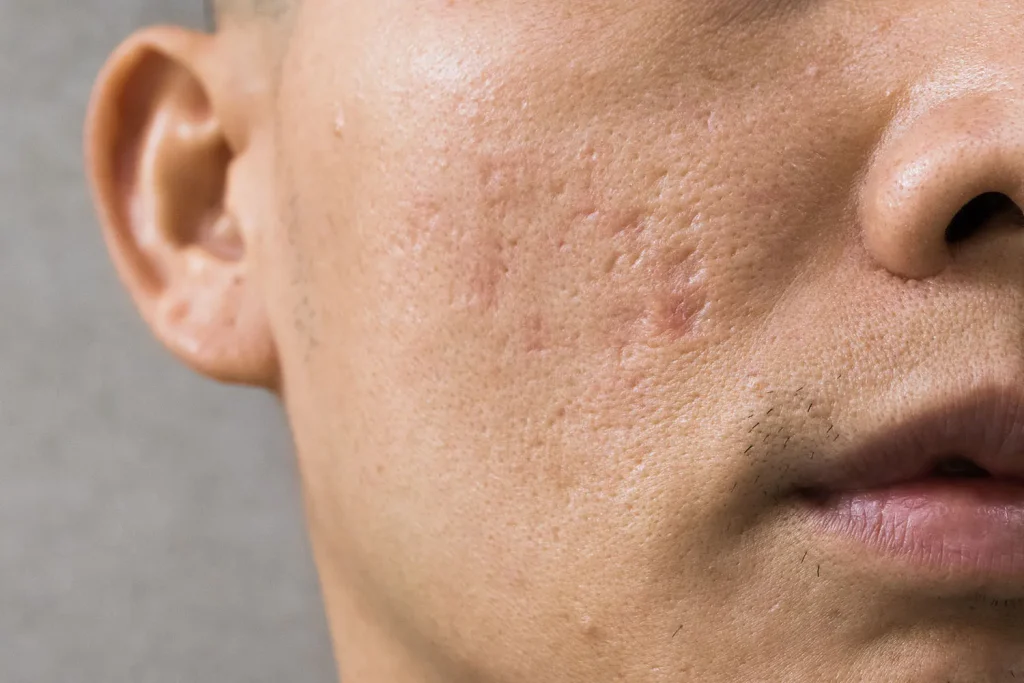
Acne scars are a long-term concern for many patients, but for individuals with darker skin types (Fitzpatrick IV–VI), acne scar treatment presents a unique and often more challenging clinical scenario. Beyond the physical appearance of scars themselves, these patients face a significantly higher risk of post-inflammatory hyperpigmentation (PIH)—a complication that can be even more persistent and distressing than the scars.
In darker skin, even a minor inflammatory stimulus—such as improper laser parameters, excessive thermal injury, or inadequate post-procedure care—can trigger overactivation of melanocytes. As a result, patients may experience dark patches that last for months or even years, sometimes proving harder to treat than the original acne scars.
With the growing popularity of laser treatments, it is crucial to understand that not all laser technologies are suitable for melanin-rich skin. Highly ablative lasers or devices with poor energy control may prolong inflammation and significantly increase the risk of PIH.
At Citrine Derma Clinic, a leading Dermatology clinic in District 7, the treatment of acne scars in darker skin is approached with a philosophy of “safety first, individualized planning, and multi-layer intervention.” Under the care of MSc. MD Châu Ngọc Tố Trinh, advanced technologies such as Fotona Er:YAG, Nd:YAG 1064 nm, FracTAT laser techniques, subcision, exogenous PRP, and structured skin recovery protocols are combined to minimize PIH risk while achieving meaningful scar improvement.
This article explores why darker skin is more prone to PIH, which laser technologies are safest, essential safety rules in laser scar treatment, and evidence-based post-laser skincare strategies—helping patients achieve smoother, brighter, and more even-toned skin without unwanted pigmentation.
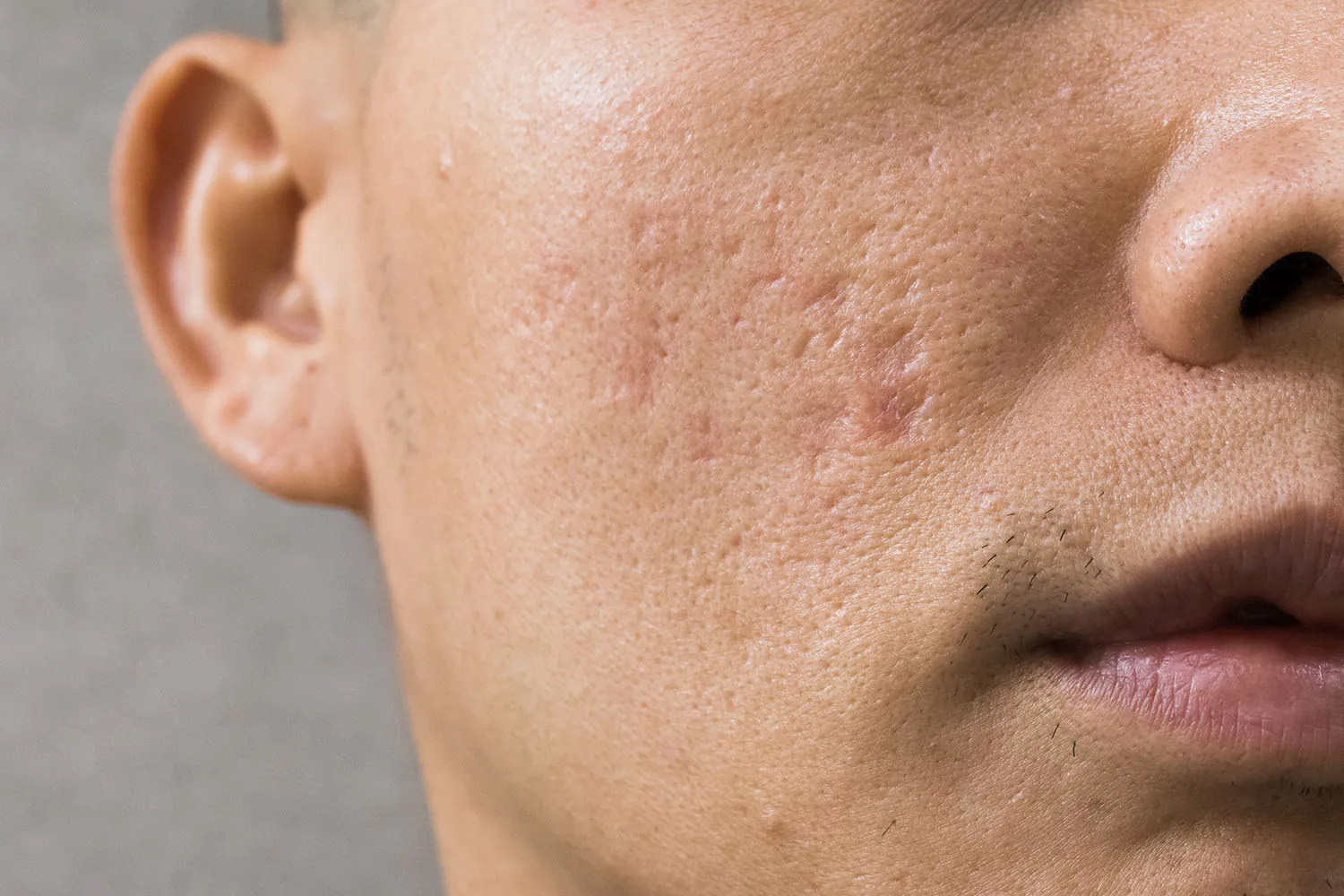
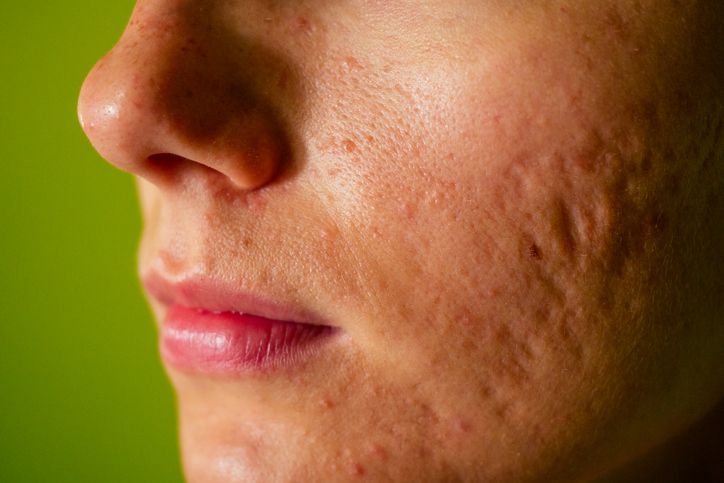
Acne scars
Why is darker skin more prone to PIH after laser treatment?
Darker skin contains a higher concentration of melanin and more reactive melanocytes. While melanin provides natural photoprotection, it also means that melanocytes respond aggressively to inflammatory stimuli.
When laser energy is applied—even at relatively low levels—skin temperature increases and an inflammatory cascade is triggered. In darker skin, this process can lead to:
- Increased melanin production at the treatment site
- Prolonged PIH, lasting weeks to months
- In some cases, deep dermal hyperpigmentation, which is significantly harder to treat than acne scars
Moreover, darker skin tends to exhibit stronger inflammatory responses when the epidermal barrier is disrupted, making aggressive ablative lasers such as traditional CO₂ lasers a less favorable option unless expertly modified.
Therefore, treating acne scars in darker skin requires:
- Lower energy settings
- Shorter pulse durations
- Minimal epidermal disruption
- Continuous skin cooling
- Most importantly, an experienced dermatologist familiar with darker skin physiology
Choosing the right laser for darker skin
Not all lasers are created equal. Choosing the wrong technology can worsen PIH, while selecting the appropriate laser can deliver safe and visible scar improvement.
1. Nd:YAG 1064 nm Laser
The Nd:YAG 1064 nm wavelength is considered one of the safest options for darker skin types:
- Deep dermal penetration stimulates collagen remodeling
- Minimal absorption by epidermal melanin → lower PIH risk
- Effective for mild to moderate atrophic scars
- Reduces inflammation and sebaceous activity, supporting acne control prior to scar treatment
At Citrine Derma Clinic, Fotona Nd:YAG 1064 nm is integrated into protocols for deep collagen stimulation and laser acne management, making it a reliable choice for patients seeking a good dermatologist in Ho Chi Minh City who understands darker skin.
2. Er:YAG Laser (2940 nm)
The Er:YAG laser is highly absorbed by water, allowing precise tissue ablation with minimal thermal spread:
- Less residual heat → reduced inflammation
- Lower risk of PIH compared to CO₂ lasers
- Suitable for boxcar and rolling scars of moderate depth
- Ideal for patients requiring gentle surface resurfacing
A study by Chathra and Mysore (2018) demonstrated that variable-pulsed Er:YAG lasers significantly improved acne scars in Fitzpatrick skin types IV–V with a low incidence of PIH when appropriate parameters were used [1].
This makes Er:YAG an excellent resurfacing option for darker skin when performed by an experienced dermatologist.
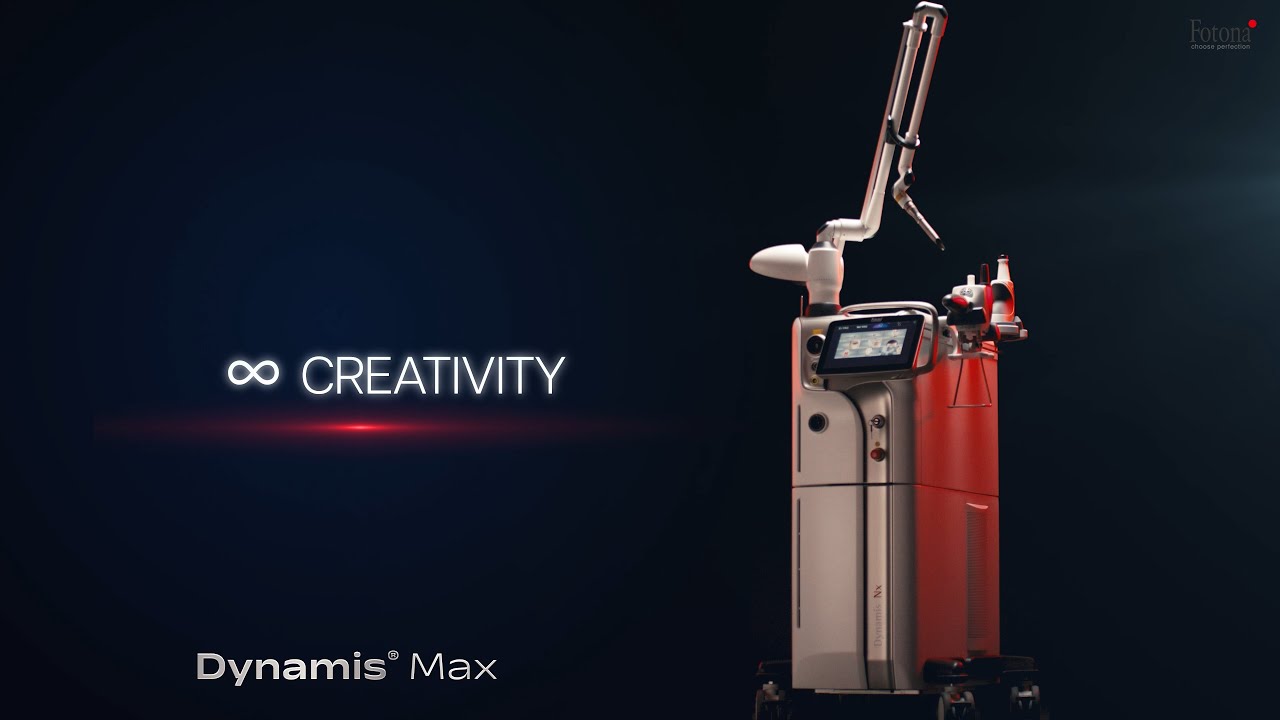
Fotona Dynamis Max laser
Essential safety principles to minimize PIH risk in laser acne scar treatment
At Citrine Derma Clinic, strict safety protocols are followed to protect darker skin:
1. Low energy, gradual escalation
Starting with conservative energy settings prevents excessive thermal injury. Energy levels are adjusted gradually based on skin response.
2. Avoiding excessive pulse overlapping
Overlapping pulses increase cumulative heat, significantly raising PIH risk.
3. Immediate post-laser recovery therapy
After laser treatment, calming and reparative therapies are applied:
- Hyaluronic Acid (HA)
- Anti-inflammatory masks
- Growth factors or exogenous PRP
These measures rapidly reduce inflammation and help prevent pigment overproduction.
Post-laser skincare: A critical step in preventing PIH
Proper aftercare is just as important as the laser procedure itself.
1. Avoid active ingredients for 7–14 days
AHA, BHA, and retinoids can:
- Thin the epidermis
- Increase irritation
- Prolong inflammation
All of which significantly elevate PIH risk.
2. Intensive hydration and barrier repair
Recommended ingredients include:
- Hyaluronic Acid
- Vitamin B5
- Peptides
- Epidermal Growth Factor (EGF)
These support barrier repair and accelerate healing.
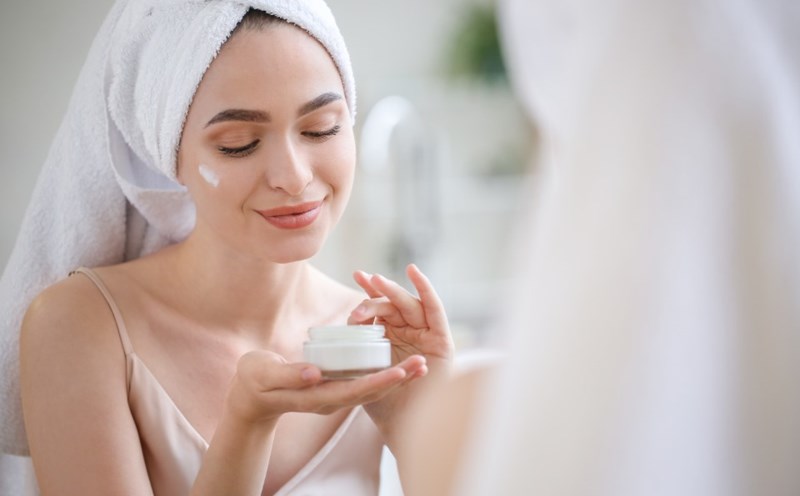
Intensive hydration and barrier repair
3. Strict sun protection
- SPF 50+, PA++++ daily
- Reapply every 3–4 hours
- Physical protection (wide-brim hats, UV masks)
UV exposure strongly activates melanocytes, worsening PIH even after mild laser treatments.
4. Avoid heat and intense exercise for 48 hours
Hot showers, steam rooms, and intense workouts increase vasodilation and inflammation, raising PIH risk.
5. Timely follow-up visits
Early PIH responds well to targeted brightening treatments, while delayed intervention can lead to stubborn pigmentation.
When should combination therapy be used in darker skin?
For darker skin, laser monotherapy may not be sufficient. Citrine Derma Clinic customizes combination protocols such as:
- Subcision + low-energy Er:YAG for deep rolling scars
- Nd:YAG 1064 nm for deep collagen remodeling
- Exogenous PRP or stem-cell-based therapy to reduce inflammation and brighten skin
- Red-light or IPL recovery therapy to accelerate healing
This approach:
- Enhances scar improvement
- Reduces total laser energy needed
- Minimizes PIH risk
Conclusion: Safety is the top priority for darker skin
Acne scar treatment in darker skin types (Fitzpatrick IV–VI) can be highly effective when performed correctly. The key lies in:
- Choosing a reputable Dermatology clinic in District 7
- Being treated by a good dermatologist in District 7 with experience in pigmentary disorders
- Using appropriate lasers such as Nd:YAG 1064 nm and Er:YAG
- Following strict safety and aftercare protocols
- Adhering to individualized treatment plans at Citrine Derma Clinic
At Citrine Derma Clinic, every patient undergoes comprehensive scar and pigment assessment, followed by a personalized treatment plan that not only improves acne scars but also supports skin recovery, brightening, and overall rejuvenation.
If you have acne scars on darker skin and are concerned about PIH, let the expert team led by MSc. MD Châu Ngọc Tố Trinh guide you toward safe, effective, and science-based care.
References
- Chathra, N., & Mysore, V. (2018). Resurfacing of facial acne scars with a new variable-pulsed Er:YAG laser in Fitzpatrick skin types IV and V. Journal of Cutaneous and Aesthetic Surgery, 11(1), 20–25.
- Sadick, N. S., & Cardona, A. (2018). Laser treatment for facial acne scars: A review. Journal of Cosmetic and Laser Therapy, 20(7–8), 424–435.
- Khám Phá Công Nghệ Laser Toning – Làn Da Căng Bóng Trắng Sáng Toàn Diện
- Trẻ Hoá Da Bằng Sofwave + HIFU Kết Hợp Laser Fotona HoneyComb
- Giải Mã Bí Quyết Căng Bóng Da Với Liệu Pháp Cấy Collagen MESO
- Giải Pháp Trẻ Hóa Da Nam Giới – Tự Tin Không Cần Dao Kéo
- Điều Trị Viêm Nang Lông Sau Khi Bơi – Vì Sao Không Nên Chủ Quan?