

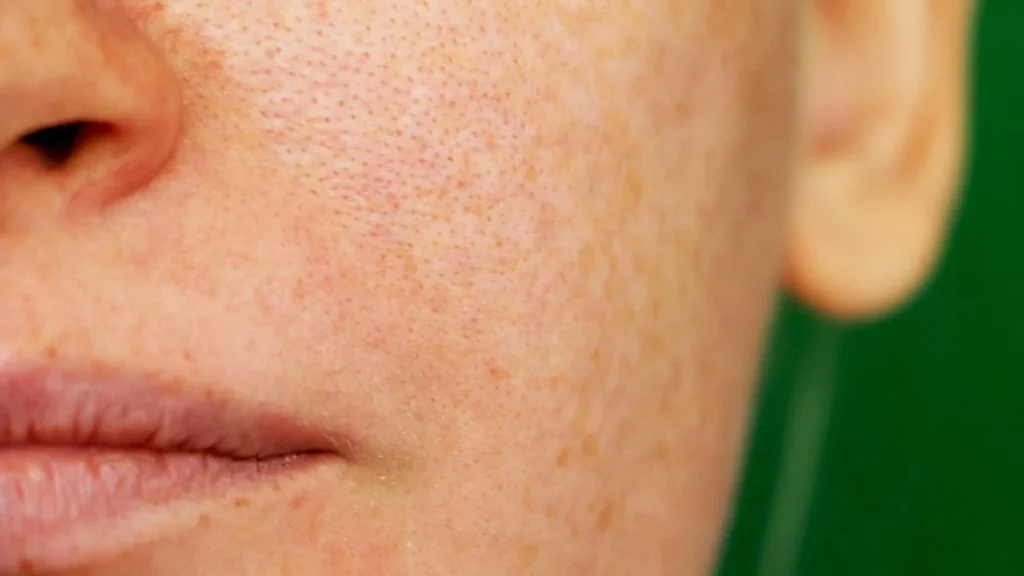
Laser pore reduction has become an increasingly important solution for individuals with oily and acne-prone skin—one of the most challenging skin types in both daily skincare routines and aesthetic dermatology. Beyond persistent issues such as excessive sebum production, clogged pores, and recurrent acne breakouts, patients with oily or acne-prone skin often struggle with another long-term concern: enlarged pores that become more prominent over time. These visible pores not only disrupt overall skin smoothness but also accelerate signs of aging, leaving the complexion uneven, coarse, and less luminous.
Many patients seek help after trying countless approaches—oil-control skincare routines, chemical peels, regular comedone extraction, and even long-term topical medications—yet find that pore size remains largely unchanged. The reason lies in a fundamental misconception: enlarged pores in oily and acne-prone skin are not merely a surface problem. Instead, they reflect deeper pathological changes involving sebaceous gland hyperactivity, chronic perifollicular inflammation, and post-acne structural damage within the dermis.
In this context, laser pore reduction has emerged as a modern, evidence-based solution capable of addressing the root causes of enlarged pores rather than masking their appearance. When correctly indicated and performed by experienced dermatologists, laser therapy can safely regulate sebum production, reduce inflammation, and stimulate collagen remodeling—key factors for long-term pore refinement. This is especially important for Asian skin, which requires precise energy control to minimize the risk of post-inflammatory hyperpigmentation (PIH).
At Citrine Derma Clinic, a leading Dermatology clinic in District 7, Ho Chi Minh City, laser pore reduction is designed as a personalized medical strategy, not a one-size-fits-all cosmetic procedure. Treatments are directly supervised by dermatologists to ensure safety, efficacy, and long-term skin health.
This article is written under the medical expertise and clinical perspective of dermatology specialists, reflecting evidence-based practice in aesthetic dermatology.
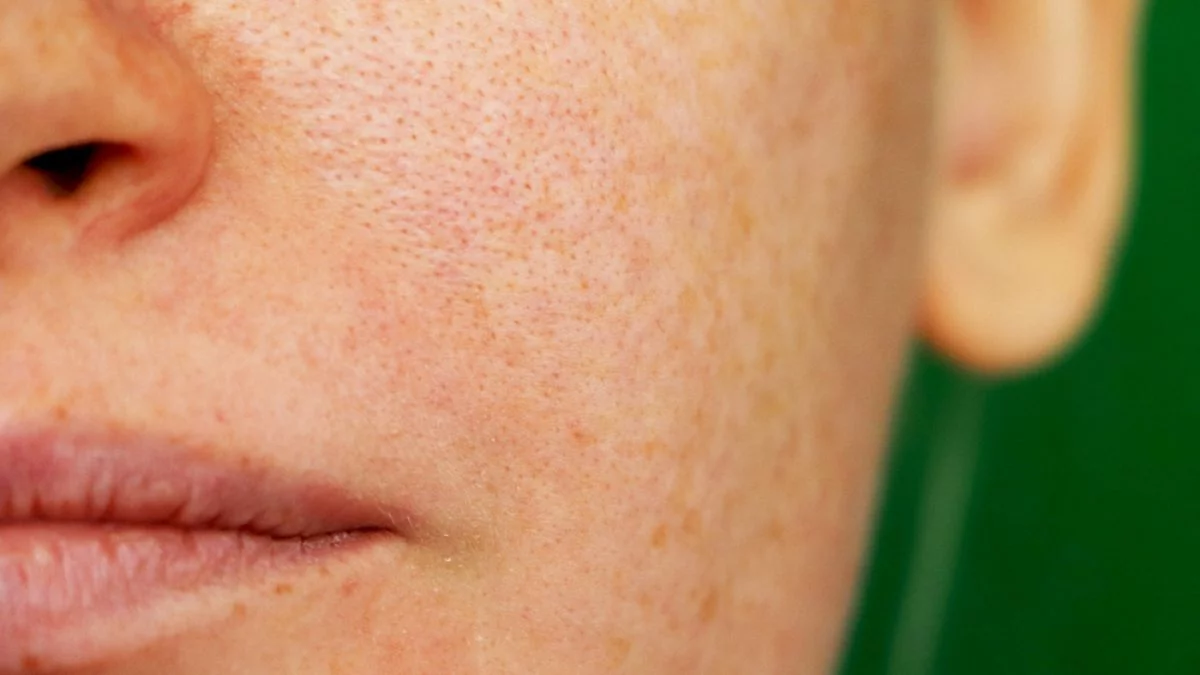
Large pores
Why do oily and acne-prone skin types develop enlarged pores?
a. Sebaceous gland hyperactivity
Oily skin is characterized by overactive sebaceous glands, influenced by genetic predisposition, hormonal regulation, and environmental factors such as climate and pollution [2]. When excessive sebum is continuously produced:
- Pressure within the follicular canal increases
- Follicular walls gradually stretch
- The pore loses its natural elasticity
Over time, this repetitive mechanical stress causes pores to remain permanently dilated, even when surface oil is temporarily controlled.
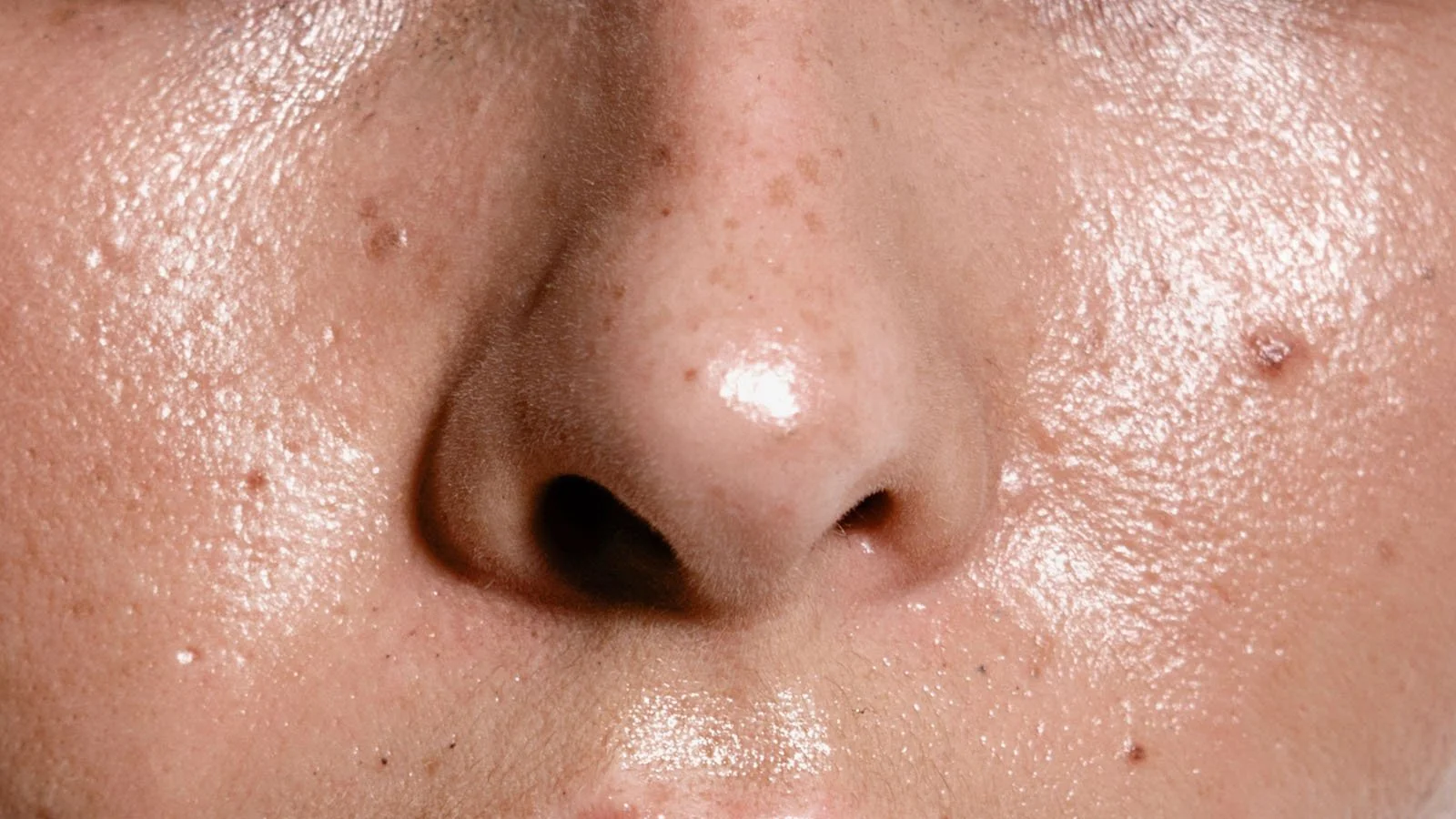
Oily skin
b. Chronic perifollicular inflammation in acne-prone skin
In acne-prone individuals, inflammation is not limited to visible breakouts. Low-grade, chronic inflammation persists around hair follicles, even during periods when the skin appears calm. This ongoing inflammatory process:
- Degrades collagen and elastin fibers surrounding the follicle
- Weakens the structural support of the pore
- Leads to irreversible pore enlargement if left untreated
c. Structural skin damage after acne
Following inflammatory acne—especially nodulocystic acne—the skin undergoes significant remodeling:
- Local collagen density decreases
- Skin texture becomes uneven
- Enlarged pores coexist with post-acne textural irregularities
👉 This explains why topical skincare alone rarely delivers lasting improvement for enlarged pores in oily and acne-prone skin.
How laser therapy controls sebum and follicular inflammation
a. Selective photothermolysis: The core mechanism
Medical lasers operate based on selective photothermolysis, meaning specific wavelengths target defined chromophores without damaging surrounding tissues. When laser parameters are properly calibrated:
- Energy penetrates through the epidermis
- Controlled thermal effects reach the dermis
- Sebaceous gland activity is downregulated without tissue destruction
High-energy laser treatments have demonstrated measurable reductions in sebum production and pore size, particularly in patients with oily skin [1].
b. Anti-inflammatory effects around hair follicles
Laser therapy also provides indirect anti-inflammatory benefits:
- Reduces chronic perifollicular inflammation
- Inhibits acne-causing bacteria proliferation
- Decreases acne recurrence frequency
As inflammation subsides, the follicular microenvironment stabilizes, allowing pores to gradually regain tighter architecture.
Nd:YAG 1064 nm and Er:YAG lasers for oily and acne-prone skin
a. Nd:YAG 1064 nm: Deep sebum and inflammation control
The Nd:YAG 1064 nm laser is a cornerstone technology in modern dermatology due to its deep dermal penetration and high safety profile for darker skin phototypes. Its benefits include:
- Effective targeting of sebaceous glands
- Reduction of inflammatory mediators
- Lower risk of PIH in Asian skin
Clinically, Nd:YAG laser therapy is widely used to:
- Reduce excessive oil production
- Control acne-related inflammation
- Support long-term pore refinement
b. Er:YAG Laser: Surface texture and pore visibility improvement
The Er:YAG laser has a high affinity for water, making it ideal for controlled micro-ablative effects at the superficial dermis. Its role includes:
- Stimulating collagen regeneration
- Smoothing uneven skin texture
- Reducing the visual prominence of enlarged pores
c. Combined laser strategy: Multi-layered results
In real-world clinical practice, combining Nd:YAG and Er:YAG lasers provides a multi-depth treatment approach:
- Internal regulation of oil and inflammation
- External refinement of skin texture
This synergy delivers more stable and natural-looking results over time.
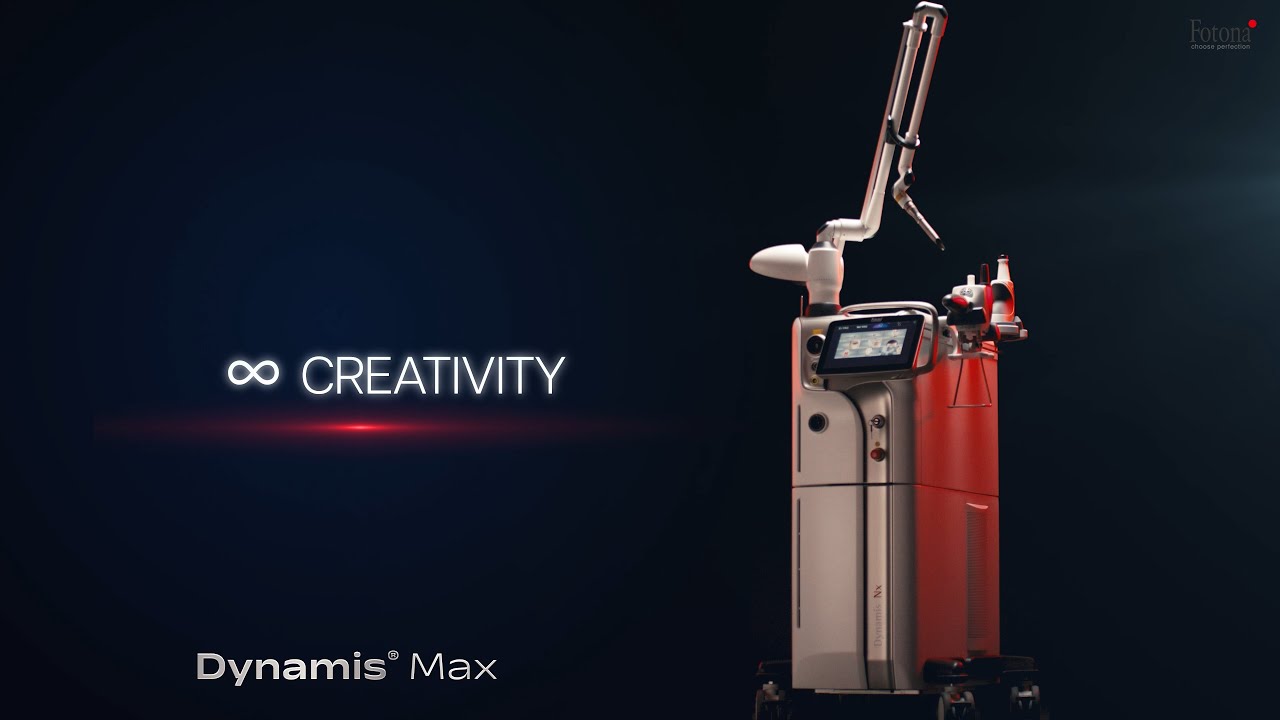
Fotona Dynamis Max laser
Why laser therapy improves acne and pore size simultaneously
Laser treatments do not merely “camouflage” pores. Instead, they intervene directly in the shared pathological mechanisms behind acne and pore enlargement:
- Sebaceous gland hyperactivity
- Chronic perifollicular inflammation
- Post-acne collagen degradation
As a result, patients experience dual benefits:
- Acne reduction through oil and inflammation control
- Pore tightening through collagen remodeling
Clinical reviews confirm that laser-based treatments improve sebum levels, pore size, and overall skin texture when protocols are properly individualized [1].
Post-inflammatory hyperpigmentation (PIH) in Asian skin: risks and prevention
a. Why Asian skin is more susceptible to PIH
Asian skin contains higher melanin content and more reactive melanocytes, making it more vulnerable to pigmentary changes triggered by heat or inflammation. Improper laser settings or inadequate aftercare can increase PIH risk.
b. Safe PIH prevention strategies
At a Good dermatology clinic in District 7, PIH prevention is integrated into every laser protocol:
- Comprehensive skin type assessment
- Personalized laser parameters
- Pre-treatment skin barrier optimization
- Strict post-treatment sun protection
- Medical-grade skin recovery regimens
👉 When these principles are followed, laser therapy remains safe and effective for oily and acne-prone Asian skin.
Why choose Citrine Derma Clinic for laser pore reduction?
As a trusted Dermatology clinic in Ho Chi Minh City, Citrine Derma Clinic stands out for its medical-driven approach:
- Direct consultation and treatment by experienced dermatologists
- Advanced laser platforms suitable for Asian skin
- Evidence-based, personalized treatment plans
- Comprehensive acne, pore, and skin texture management
Patients seeking a Good dermatologist in Ho Chi Minh City or a Good dermatologist in District 7 benefit from integrated care that prioritizes long-term skin health—not temporary cosmetic fixes.
Conclusion: Laser pore reduction as a sustainable strategy for oily and acne-prone skin
Enlarged pores in oily and acne-prone skin cannot be effectively resolved through skincare alone. Laser therapy, when used strategically, addresses the fundamental causes: excess sebum, chronic inflammation, and collagen loss. By targeting these mechanisms simultaneously, laser treatments offer a safe, effective, and sustainable solution.
The true determinant of success is not whether laser treatment is performed, but how it is performed:
- Dermatologist-led diagnosis
- Appropriate laser technology
- Individualized treatment protocols
At Citrine Derma Clinic, laser pore reduction is approached as a long-term dermatological strategy—helping patients achieve clearer, smoother, and healthier skin with confidence.
References
- Parvar, S. Y., Amani, M., Shafiei, M., Rastaghi, F., Hosseini, S. A., & Ahramiyanpour, N. (2023). The efficacy and adverse effects of treatment options for facial pores: A review article. Journal of Cosmetic Dermatology, 22(3), 763–775.
- Endly, D. C., & Miller, R. A. (2017). Oily skin: A review of treatment options. The Journal of Clinical and Aesthetic Dermatology, 10(8), 49–55.
- RẠN DA
- Điều Trị Giãn Mạch Máu Vùng Chân Bằng Laser Fotona – Giải Pháp An Toàn, Hiệu Quả & Phục Hồi Nhanh
- Khám Phá Peel Da Sinh Học – Giải Pháp Làm Mờ Sẹo Mụn, Cho Làn Da Mịn Màng
- Tái Sinh Làn Da Với Liệu Pháp Tế Bào Gốc – Bước Tiến Trong Điều Trị Viêm Da Cơ Địa
- Laser Fotona Đa Bước Sóng Cho Da Nhạy Cảm – Giải Pháp Phục Hồi & Trẻ Hóa Da