

Acne vulgaris is a chronic inflammatory disorder of the pilosebaceous unit that affects adolescents and adults worldwide. While topical and systemic medications remain the cornerstone of acne treatment, many patients experience incomplete responses, adverse effects, antibiotic resistance, or frequent relapse. These limitations have driven increasing interest in laser and light-based therapies as adjunctive or alternative treatment options.
Over the past two decades, advances in dermatologic technology have enabled the development of Intense Pulsed Light (IPL), laser and photodynamic therapy (PDT) for acne management. These modalities target key pathogenic factors of acne, including sebaceous gland activity, Cutibacterium acnes proliferation, and inflammation, without relying on long-term pharmacologic therapy.
Recent clinical reviews published in leading dermatology journals highlight the growing body of evidence supporting the efficacy and safety of laser and light-based therapies in selected acne patients [1],[2]. At Citrine Derma Clinic, these technologies are integrated into evidence-based acne protocols, complementing medical therapy and individualized skincare regimens.
This article provides a comprehensive overview of the mechanisms, clinical efficacy, safety considerations, and appropriate indications for laser and light-based therapies in acne vulgaris.
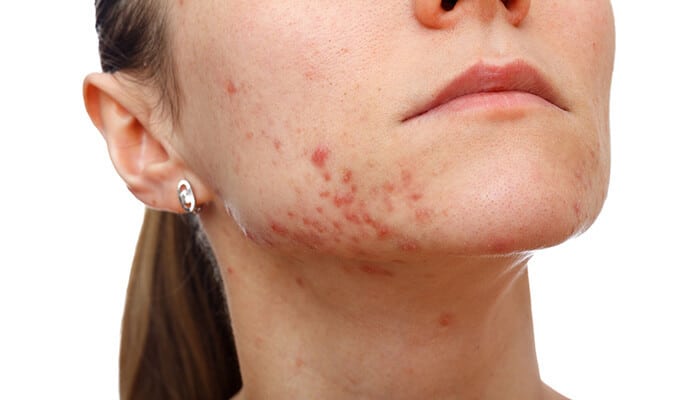
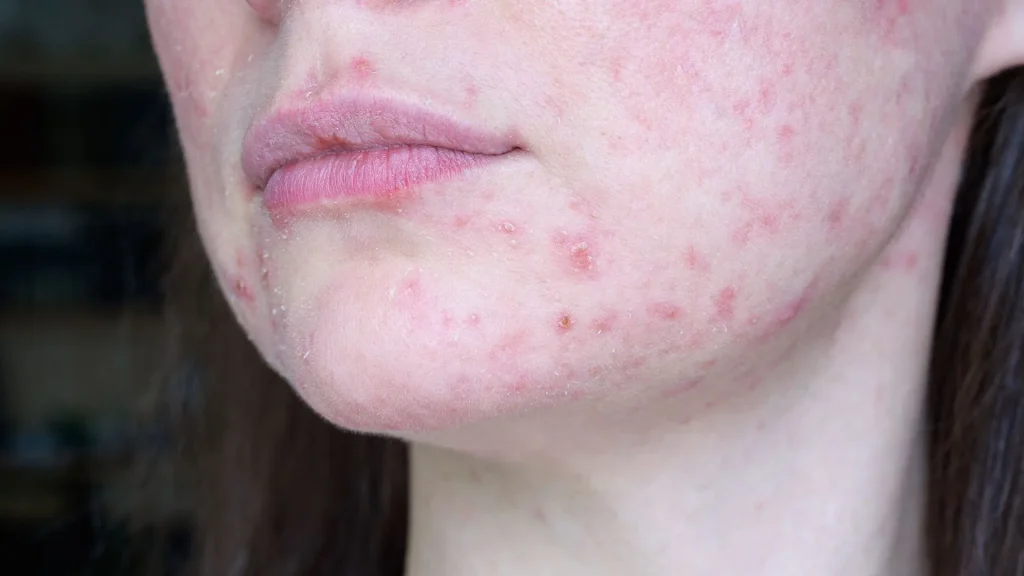
Acne vulgaris
Pathophysiologic rationale for laser and light-based acne treatment
Acne vulgaris arises from a complex interaction of increased sebum production, follicular hyperkeratinization, microbial dysbiosis, and inflammation. Laser and light-based therapies exert therapeutic effects by selectively targeting one or more of these pathogenic pathways.
a. Targeting sebaceous gland activity
Sebaceous glands play a central role in acne pathogenesis by producing excess sebum that contributes to follicular obstruction and inflammation. Certain laser wavelengths, particularly long-pulsed Nd:YAG (1064 nm), penetrate deeply into the dermis and induce selective photothermal damage to sebaceous glands. This results in reduced sebum output and long-term modulation of sebaceous activity [1].
b. Antibacterial effects on cutibacterium acnes
- acnes produces endogenous porphyrins that absorb specific wavelengths of light. When exposed to blue light or IPL, these porphyrins generate reactive oxygen species that destroy bacterial cells. This phototoxic effect reduces bacterial load without contributing to antibiotic resistance, making light-based therapy an attractive option for long-term acne control [2].
c. Anti-inflammatory and immunomodulatory effects
Beyond antimicrobial activity, laser and light-based treatments reduce inflammatory mediators and vascular reactivity. Clinical studies demonstrate improvements in erythema, edema, and inflammatory lesions following IPL and laser therapy, supporting their role in inflammatory acne management [1].
Types of laser and light-based therapies in acne management
a. Intense Pulsed Light (IPL)
IPL emits a broad spectrum of non-coherent light (typically 400–1200 nm) that can be filtered to target acne-related chromophores. Its mechanisms include:
- Photodynamic destruction of C. acnes
- Reduction of inflammatory erythema
- Modulation of sebaceous gland activity
IPL is most effective in mild to moderate inflammatory acne, particularly in patients with erythema and post-inflammatory changes. Advantages include minimal downtime and favorable safety profiles across multiple skin types when appropriate parameters are used.
At Citrine Derma Clinic, IPL is often combined with medical therapy and professional skincare to enhance outcomes and reduce relapse.
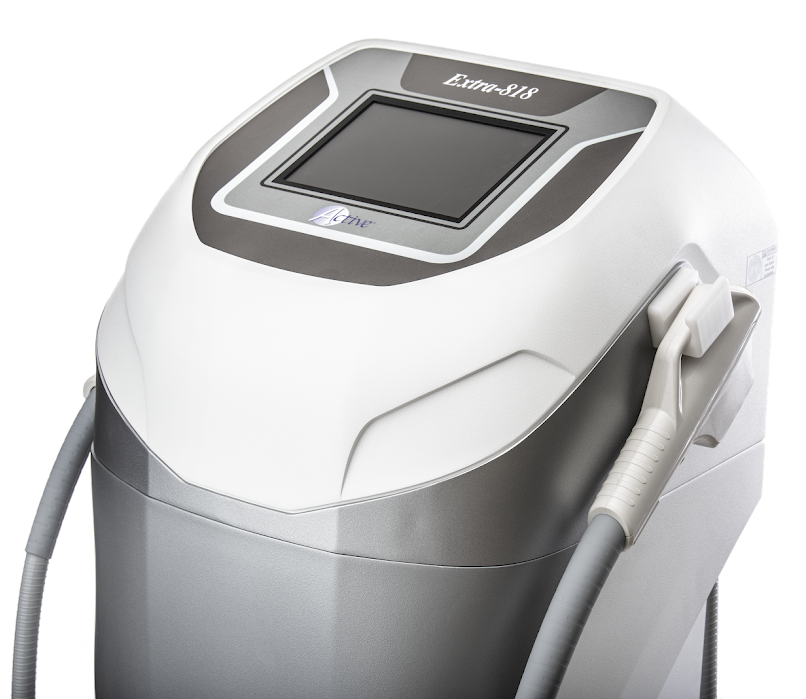
IPL Extra-818
b. Nd:YAG Laser (1064 nm)
The Nd:YAG laser offers deeper dermal penetration compared to other light sources, allowing direct targeting of sebaceous glands. Its key clinical benefits include:
- Reduction of sebum production
- Improvement of inflammatory papules and pustules
- Safety in darker skin phototypes due to lower melanin absorption
According to recent reviews, Nd:YAG laser therapy is particularly useful in moderate to severe inflammatory acne and in patients who cannot tolerate systemic medications [1],[2].
c. Er:YAG Laser
The Er:YAG laser (2940 nm) is primarily known for its ablative properties, but non-ablative and fractional modes have demonstrated adjunctive benefits in acne management. These include:
- Reduction of follicular obstruction
- Improvement in skin texture
- Prevention and early treatment of acne scarring
While not a first-line therapy for active acne, Er:YAG laser is frequently incorporated into comprehensive acne and post-acne treatment plans, especially in patients with textural irregularities.
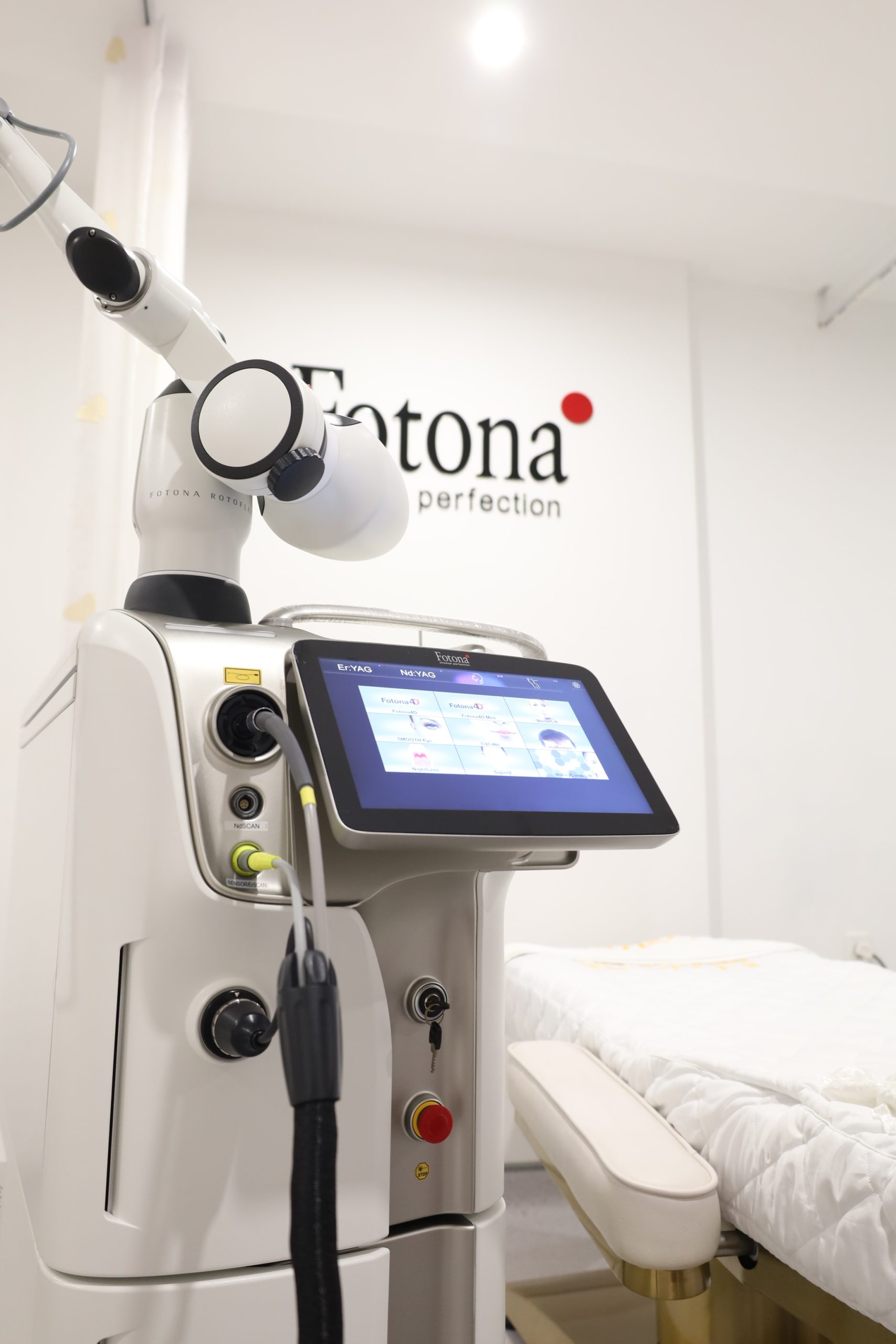
Fotona Dynamis Max Laser
Photodynamic therapy (PDT)
Photodynamic therapy involves the application of a photosensitizing agent (such as aminolevulinic acid or methyl aminolevulinate), followed by exposure to a specific light source. PDT offers:
- Potent sebaceous gland destruction
- Significant reduction in inflammatory lesions
- Prolonged remission in selected patients
However, PDT is associated with higher rates of adverse effects, including pain, erythema, and post-inflammatory hyperpigmentation. Therefore, expert patient selection and post-procedure care are essential [1].
Indications based on acne type and severity
a. Inflammatory acne
Laser and light-based therapies demonstrate the greatest efficacy in papulopustular and nodular acne, where inflammation and sebaceous activity are predominant. These modalities are most effective when used as adjuncts to topical or systemic therapy, rather than as standalone treatments [2].
b. Non-inflammatory (comedonal) acne
In comedonal acne, laser and light therapies play a supportive role. Optimal outcomes are achieved when combined with topical retinoids and chemical peels, which address follicular hyperkeratinization more directly.
c. Special patient populations
Laser and light-based treatments are particularly beneficial for:
- Patients intolerant to oral antibiotics or isotretinoin
- Patients concerned about long-term medication use
- Individuals seeking non-pharmacologic or steroid-sparing options
At Citrine Derma Clinic, patient selection is guided by acne severity, skin type, lifestyle, and long-term treatment goals.
Comparison with conventional medical therapy
Conventional acne treatments, including topical retinoids, antibiotics, hormonal therapy, and isotretinoin, remain essential components of acne management. However, laser and light-based therapies offer several complementary advantages:
a. Advantages
- Reduced reliance on systemic medications
- No risk of antibiotic resistance
- Localized treatment with minimal systemic effects
b. Limitations
- Higher cost compared to topical therapy
- Requirement for multiple treatment sessions
- Need for maintenance therapy
Current evidence supports positioning laser and light-based therapies as adjunctive treatments, rather than replacements for medical therapy [1],[2].
Safety considerations and adverse effects
Laser and light-based acne treatments are generally well tolerated when performed by trained professionals. Common transient side effects include:
- Erythema
- Mild edema
- Temporary dryness or sensitivity
More serious adverse events, such as burns or post-inflammatory hyperpigmentation, are rare and typically related to inappropriate energy settings or inadequate post-treatment care.
At Citrine Derma Clinic, strict safety protocols, individualized parameter selection, and comprehensive post-procedure guidance are emphasized to optimize outcomes and minimize risks.
Future directions in laser and light-based acne therapy
Emerging technologies and combination protocols continue to expand the role of energy-based devices in acne management. Ongoing research focuses on:
- Novel wavelengths with enhanced sebaceous specificity
- Synergistic use of lasers with topical or injectable therapies
- Personalized treatment algorithms based on acne phenotype
Recent reviews suggest that laser and light-based therapies will play an increasingly important role in personalized acne medicine [2].
Conclusion
Laser and light-based therapies represent a valuable advancement in the management of acne vulgaris. By targeting sebaceous gland activity, Cutibacterium acnes, and inflammation, these modalities address key pathogenic mechanisms while reducing reliance on long-term pharmacologic therapy.
When integrated into evidence-based treatment protocols, as practiced at Citrine Derma Clinic, IPL and laser therapy can significantly enhance acne outcomes, improve patient satisfaction, and support long-term skin health.
References
- Ishii, L., Deoghare, S., & Boen, M. (2025). Light and laser-based therapy in treatment of acne vulgaris: A clinical review. Journal of the American Academy of Dermatology.
- Jean-Pierre, P., Tordjman, L., Ghodasara, A., Nwosu, C., & Nouri, K. (2024). Emerging lasers and light-based therapies in the management of acne: A review. Lasers in Medical Science, 39(1), 245.
- Nâng Cơ Trẻ Hóa Không Phẫu Thuật – Giải Pháp Trẻ Hoá Làn Da Tự Nhiên, Không Dao Kéo!
- Trị Sẹo Mụn Hiệu Quả Kết Hợp Trẻ Hóa Da Toàn Diện Với Laser Fotona Đa Xung
- Điều Trị Mụn Cóc Ở Trẻ Nhỏ – Hiểu Đúng Để Ngăn Ngừa Lây Lan
- Trẻ Hóa Da Tại Nhà Hay Đến Phòng Khám Định Kỳ?
- Bệnh Chàm Da Không Còn Là Nỗi Lo Với Liệu Trình Phục Hồi Da Không Kháng Sinh