

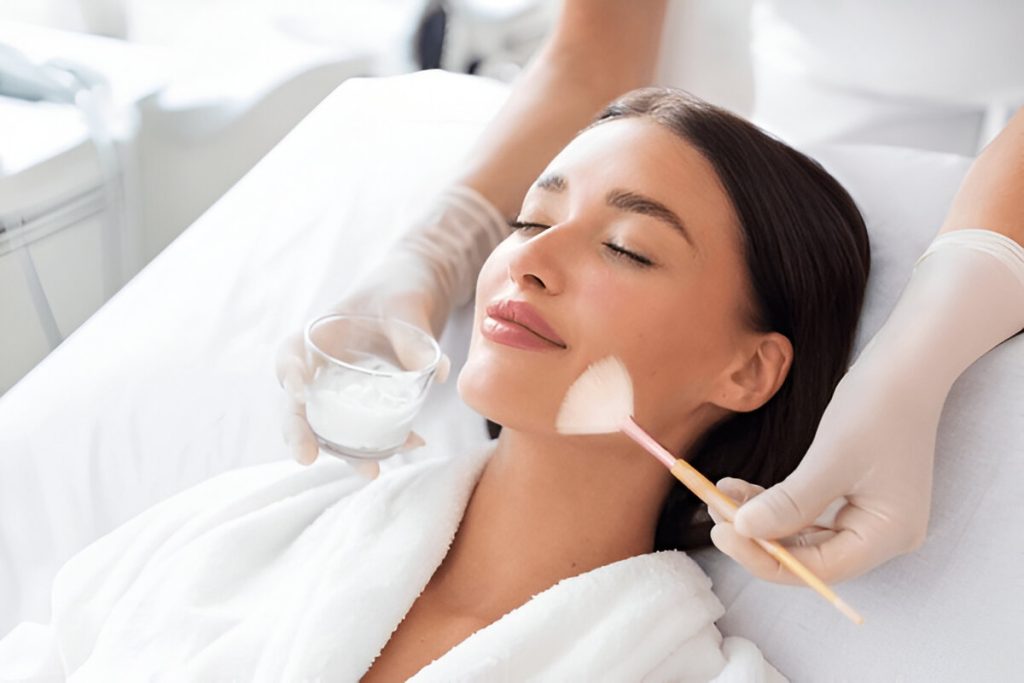
Post hyperpigmentation treatment for acne-related discoloration—clinically referred to as post-inflammatory hyperpigmentation (PIH)—remains one of the most common dermatologic concerns after active acne has resolved. While acne lesions may heal within weeks, residual dark spots often persist for months, especially in individuals with darker skin phototypes. This condition not only affects skin appearance but also significantly impacts self-esteem and quality of life.
Among various dermatologic treatments, chemical peels have emerged as an effective, evidence-based option for managing post hyperpigmentation. When performed correctly and under professional supervision, chemical peels can accelerate skin renewal, reduce excess melanin, and improve overall skin tone.
At Citrine Derma Clinic, a trusted Dermatology clinic in Ho Chi Minh City, chemical peels are performed by experienced dermatologists using personalized protocols. As a leading Dermatology clinic in District 7, Citrine Derma Clinic integrates medical expertise with advanced dermatologic techniques to deliver safe and effective results for patients seeking a good dermatology clinic in District 7.
This article provides a comprehensive overview of chemical peels in treating post hyperpigmentation , including types of peels, selection of appropriate concentrations, clinical outcomes, and potential complications—supported by current medical literature.
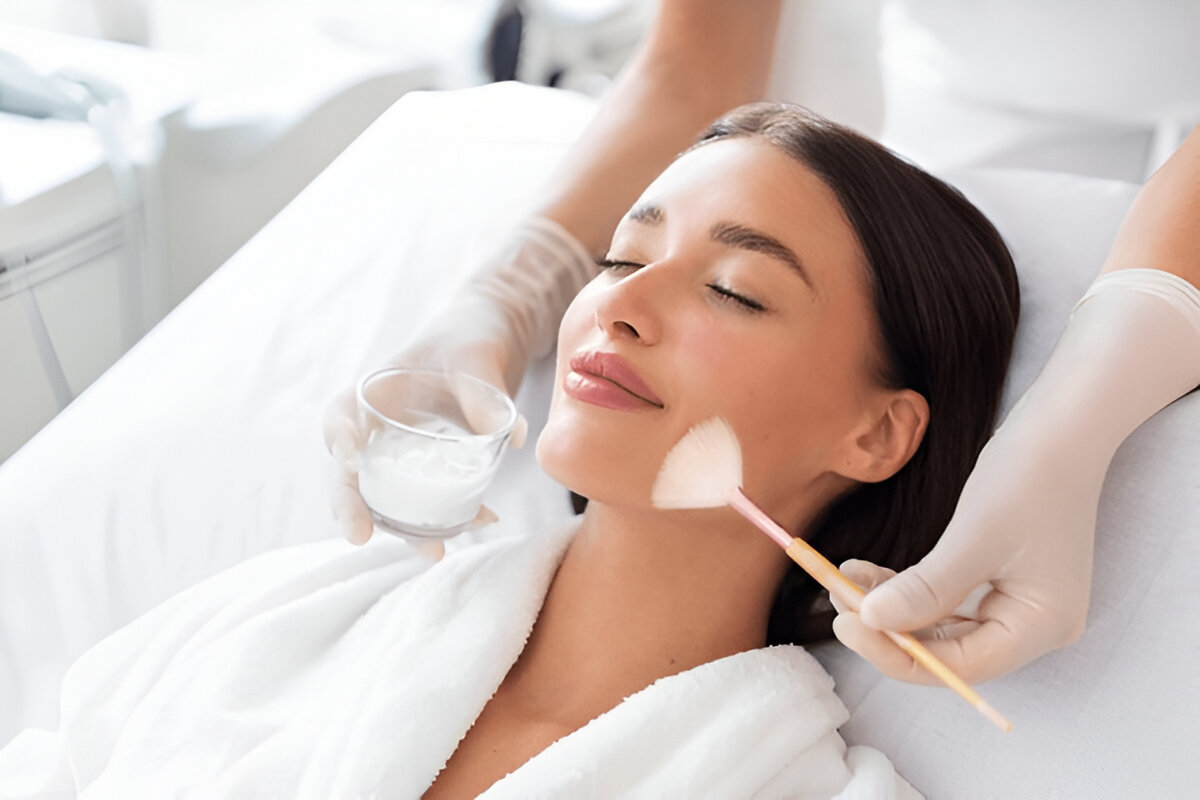
Chemical peel
Understanding post hyperpigmentation
a. What is Post-Inflammatory Hyperpigmentation?
Post hyperpigmentation occurs when inflammation from acne stimulates melanocytes to produce excess melanin. This pigment is deposited in the epidermis or dermis, leading to brown, black, or grayish macules at the sites of previous acne lesions.
b. Why is PIH more common in skin of colour?
Patients with Fitzpatrick skin types III–VI are more prone to PIH due to increased melanocyte activity. Even minimal inflammation can trigger significant pigmentation, making careful treatment selection essential.
According to Dayal et al. (2019), PIH is one of the challenging acne sequelae to treat, requiring a combination of medical knowledge, patient education, and long-term maintenance strategies [1].

What is Post-Inflammatory Hyperpigmentation
Why chemical peels are effective for post hyperpigmentation
Chemical peels work by applying a controlled chemical agent to the skin, inducing exfoliation and regeneration. This process helps:
- Remove pigmented keratinocytes
- Accelerate epidermal turnover
- Reduce melanin deposition
- Improve skin texture and tone
When used appropriately, chemical peels can significantly enhance the clearance of post hyperpigmentation and improve the penetration of topical depigmenting agents.
At Citrine Derma Clinic, chemical peels are often integrated into comprehensive treatment plans supervised by a good dermatologist in Ho Chi Minh City, ensuring both safety and efficacy.
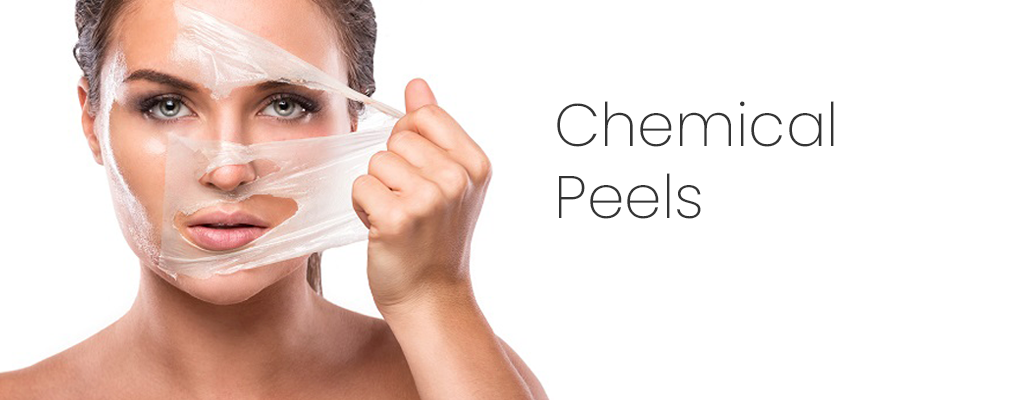
Why chemical peels are effective for post hyperpigmentation
Types of chemical peels used in post hyperpigmentation
1. Glycolic Acid Peels
a. Mechanism of Action
Glycolic acid, an alpha-hydroxy acid (AHA), penetrates the epidermis effectively due to its small molecular size. It promotes exfoliation, increases epidermal turnover, and enhances collagen synthesis.
b. Common Concentrations
- Superficial peels: 20–40%
- Medium-depth peels: 50–70% (strictly dermatologist-supervised)
c. Clinical Outcomes
Studies have shown that glycolic acid peels improve epidermal PIH and overall skin brightness when performed in multiple sessions [1].
d. Suitability
- Best for epidermal pigmentation
- Requires caution in darker skin types
2. Salicylic Acid Peels
a. Mechanism of Action
Salicylic acid is a beta-hydroxy acid (BHA) with lipophilic properties, allowing it to penetrate sebaceous follicles. It has both exfoliating and anti-inflammatory effects, making it ideal for acne-prone skin with PIH.
b. Typical Concentrations
- 20–30% salicylic acid
c. Clinical Benefits
- Reduces acne activity and post hyperpigmentation simultaneously
- Lower risk of post-peel hyperpigmentation compared to deeper peels
Salicylic acid peels are frequently recommended at Citrine Derma Clinic, a good dermatology clinic in District 7, for patients with active acne and residual pigmentation.
3. Trichloroacetic Acid (TCA) Peels
a. Mechanism of Action
TCA causes protein coagulation, leading to controlled epidermal and dermal injury depending on concentration.
b. Concentration Considerations
- Low concentration (10–20%): superficial peels
- Medium-depth (25–35%): higher risk, requires strict selection
c. Risks
- Post-inflammatory hyperpigmentation
- Scarring if improperly performed
Due to these risks, TCA peels should only be administered by experienced dermatologists, such as those at Citrine Derma Clinic, a reputable Dermatology clinic in Ho Chi Minh City.
Selecting the right peel and concentration
Choosing the appropriate chemical peel depends on multiple factors:
- Skin phototype
- Depth and severity of pigmentation
- Presence of active acne
- History of skin sensitivity
According to Mar et al. (2024), treatment of PIH in skin of colour requires conservative approaches, gradual escalation, and meticulous photoprotection to minimize complications [2].
Chemical peel procedure protocol
a. Pre-Peel Preparation
- Use of priming agents (e.g., retinoids, azelaic acid)
- Strict sun protection for at least 2–4 weeks
- Avoidance of irritating skincare products
b. Peel Procedure
- Cleansing and degreasing of the skin
- Application of chemical peel under controlled conditions
- Neutralization (if required)
c. Post-Peel Care
- Intensive moisturization
- Broad-spectrum sunscreen
- Avoidance of sun exposure and harsh products
At Citrine Derma Clinic, post-peel care is a critical component of treatment success and is carefully explained by a good dermatologist in District 7.
Clinical outcomes and evidence
Clinical studies demonstrate that superficial chemical peels, when performed in a series, significantly improve post hyperpigmentation. Dayal et al. (2019) highlight that repeated superficial peels yield better outcomes with fewer adverse effects than aggressive single-session treatments [1].
A recent systematic review by Mar et al. (2024) further confirms that chemical peels are effective in skin of colour when used cautiously and combined with topical therapies and photoprotection [2].
Adverse effects and complications
Potential side effects include:
- Transient erythema and peeling
- Irritation and dryness
- Rebound hyperpigmentation if sun protection is inadequate
These risks underscore the importance of treatment at a Dermatology clinic in District 7 with experienced medical supervision, such as Citrine Derma Clinic.
Combination therapy for optimal results
Chemical peels are most effective when combined with:
- Topical depigmenting agents
- Medical-grade skincare
- Laser or light-based therapies (when appropriate)
This multimodal approach is a hallmark of treatment at Citrine Derma Clinic, a good dermatology clinic in Ho Chi Minh City.
Why choose Citrine Derma Clinic?
Citrine Derma Clinic stands out as a leading Dermatology clinic in District 7 by offering:
- Board-certified dermatologists
- Evidence-based treatment protocols
- Personalized peel selection
- Advanced post-treatment care
Patients looking for a good dermatologist in Ho Chi Minh City can trust Citrine Derma Clinic for safe, effective management of post hyperpigmentation.
Conclusion
Chemical peels are a proven, effective option for treating post hyperpigmentation when applied judiciously and under expert supervision. Glycolic acid, salicylic acid, and carefully selected TCA peels can significantly improve skin tone, especially when combined with proper skincare and sun protection.
At Citrine Derma Clinic, a trusted Dermatology clinic in Ho Chi Minh City and District 7, chemical peels are delivered as part of a comprehensive, personalized dermatologic strategy—helping patients achieve clearer, more even-toned skin with confidence.
References
- Dayal, S., Sahu, P., Sangal, B., & Sharma, S. (2019). Role of chemical peels in postinflammatory hyperpigmentation: A comprehensive review. Pigment International, 6(2), 59–66.
- Mar, K., Khalid, B., Maazi, M., Ahmed, R., Wang, O. J., & Khosravi-Hafshejani, T. (2024). Treatment of post-inflammatory hyperpigmentation in skin of colour: A systematic review. Journal of Cutaneous Medicine and Surgery, 28(5), 473–480.
- Căng Bóng Da Tức Thì Với MESO Collagen – Lựa Chọn Trẻ Hóa Da Hoàn Hảo Trước Tết
- Giải Mã Công Nghệ Fotona 6D Honeycomb Trong Hành Trình Nâng Cơ Trẻ Hóa Da
- Trải Nghiệm Công Nghệ Điều Trị Mụn Chuyên Sâu Tại Citrine Derma Clinic
- Laser Trẻ Hóa Da Là Gì? Giải Pháp Làm Đẹp Được Giới Chuyên Môn Đánh Giá Cao
- Khám Phá Meso HA Không Kim – Giải Pháp Trẻ Hóa Da An Toàn, Không Nghỉ Dưỡng