

In recent years, radiofrequency (RF) skin rejuvenation has become one of the most widely used non-invasive procedures in aesthetic dermatology. Thanks to its ability to improve skin firmness and elasticity without surgery or downtime, RF is increasingly chosen as an early intervention strategy for skin aging.
However, along with its growing popularity, many patients still express valid concerns:
- Is skin rejuvenation truly safe?
- Can RF cause burns, post-inflammatory hyperpigmentation, or long-term skin thinning?
These concerns are understandable. Any technology that delivers energy into the skin inherently carries potential risks if improperly indicated or incorrectly performed. Therefore, evaluating the safety of RF must be based on clinical evidence and medical literature, rather than anecdotal impressions.
This article provides an objective, evidence-based analysis of RF safety, potential side effects, rare complications, and risk prevention—guided by dermatological science and international studies.
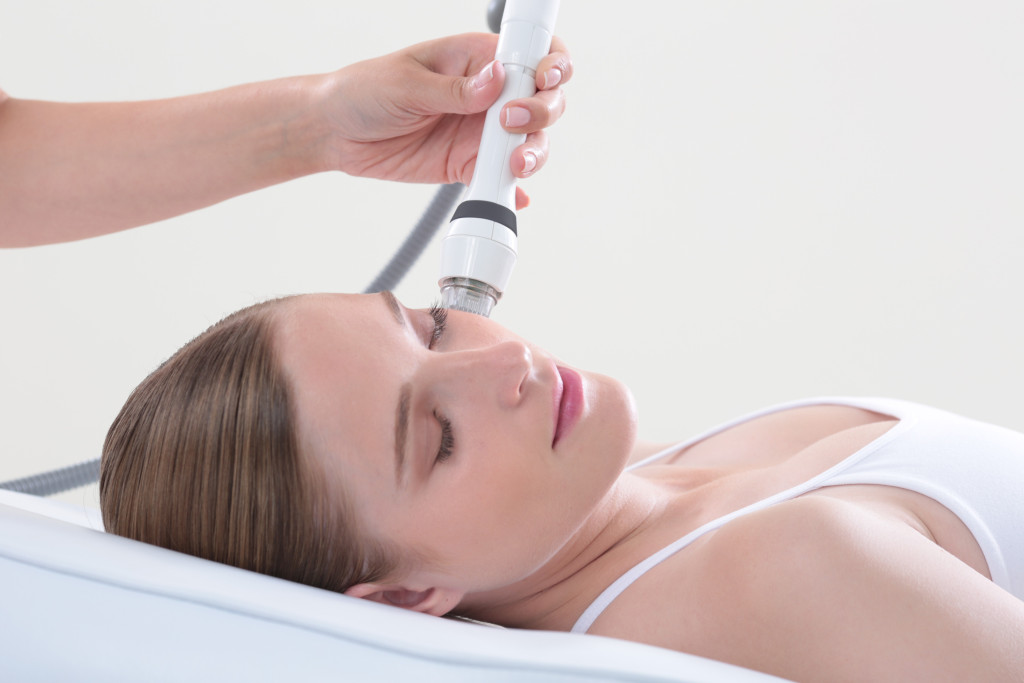
RF skin rejuvenation
Can RF cause burns or hyperpigmentation?
RF thermal mechanism and the risk of skin burns
Radiofrequency energy is a form of high-frequency electromagnetic waves. When RF passes through biological tissue, it generates endogenous heat due to tissue resistance. In skin rejuvenation treatments, this heat is primarily concentrated in the dermis, where collagen and elastin fibers are located.
When delivered within medically controlled parameters, RF-induced heat:
- Causes immediate collagen contraction
- Stimulates neocollagenesis
- Improves dermal structure and skin firmness
Skin burns occur only under specific circumstances, such as:
- Excessively high energy settings
- Prolonged exposure time
- Improper handpiece movement
- Inadequate monitoring of skin response during treatment
A systematic review by Vassão et al. reported that the incidence of RF-induced burns is very low and is largely associated with technical errors or substandard devices, rather than RF technology itself [1].
Does RF increase the risk of Post-Inflammatory Hyperpigmentation (PIH)?
Post-inflammatory hyperpigmentation (PIH) is a common concern with energy-based procedures, particularly in Asian and darker skin types. Compared to laser and intense pulsed light (IPL), RF is considered safer for pigmented skin, as it does not target melanin.
When PIH occurs after RF:
- It is usually mild
- It is transient
- It responds well to proper post-treatment skincare
Thus, RF is widely regarded as a low-risk modality for pigmentation complications when performed correctly.
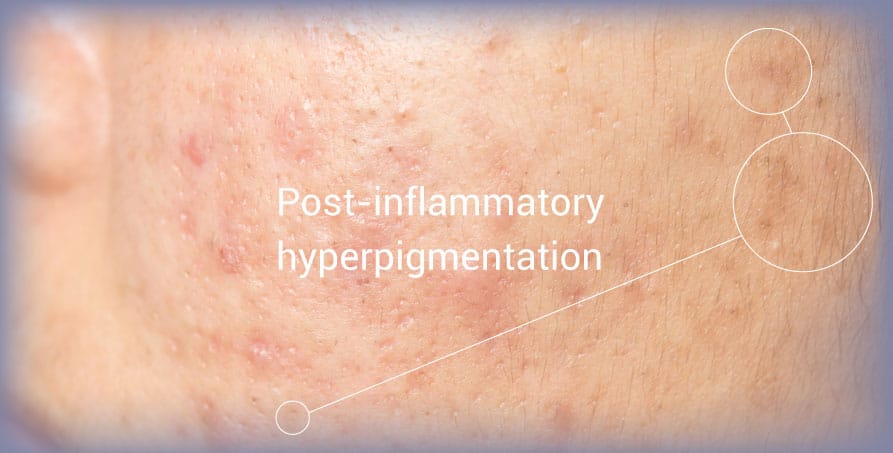
Post-Inflammatory Hyperpigmentation
Common side effects of RF skin rejuvenation
a. Expected and transient reactions
These are normal physiological responses and typically resolve without intervention:
- Mild erythema (redness)
- Warm or tight sensation
- Slight localized swelling
These effects usually subside within a few hours to 1–2 days.
b. Less common side effects
Occasionally, patients may experience:
- Mild irritation, especially in sensitive skin
- Prolonged edema
- Temporary dryness if post-treatment hydration is insufficient
Such reactions are generally related to individual skin characteristics or suboptimal aftercare.
c. Rare complications
Serious adverse events are uncommon but may include:
- Deep thermal burns
- Prolonged tissue damage
- Persistent pigmentary disorders
👉 Importantly, these complications are rare and almost always preventable with proper medical practice.
How to minimize risks and ensure RF safety
a. Proper Patient Selection
RF is not suitable for everyone. Absolute contraindications include:
- Pregnancy
- Implanted electronic devices such as pacemakers
- Active skin infections or open wounds in the treatment area
Accurate patient evaluation is the first and most critical step in ensuring safety.
b. Individualized energy parameters
Medical literature consistently emphasizes that RF safety depends heavily on:
- Energy level
- Duration of exposure
- Anatomical treatment area (face, neck, periocular region)
Personalized protocols significantly reduce the risk of tissue overheating.
c. Standardized procedure and post-treatment care
Safe RF practice includes:
- Continuous monitoring of skin response during treatment
- Immediate post-RF skin recovery measures
- Strict photoprotection and adequate moisturization
Studies confirm that adherence to standardized protocols markedly reduces RF-related complications [1].
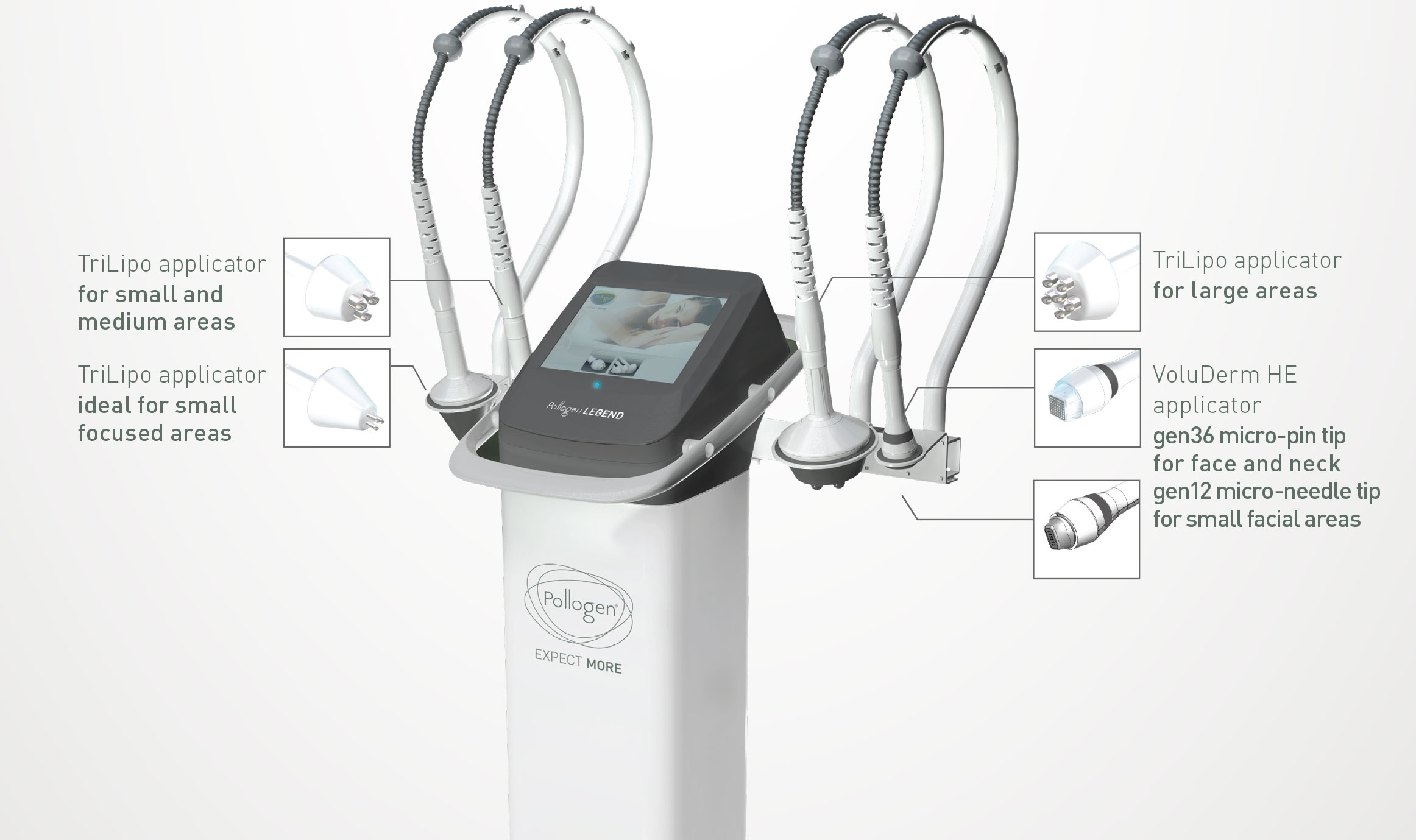
RF Pollogen legend
Clinical evidence supporting RF safety
A review of clinical studies demonstrates that:
- RF is classified as a safe non-invasive skin rejuvenation modality
- Side effects are infrequent and mostly mild and temporary
- Severe complications are rare when procedures follow medical standards
RF offers meaningful aesthetic benefits with a high safety margin, especially in the treatment of mild to moderate skin aging [2].
RF safety in professional dermatology clinics
At a reputable Dermatology clinic, RF safety is not solely dependent on technology but also on medical oversight and clinical expertise.
Citrine Derma Clinic, a well-established Dermatology clinic in Ho Chi Minh City, is recognized as a good dermatology clinic in District 7 due to its emphasis on:
- Thorough dermatological assessment
- Evidence-based RF protocols
- Medical-grade devices with controlled energy delivery
Patients seeking a good dermatologist in District 7 or a good dermatologist in Ho Chi Minh City benefit from individualized RF treatments designed to maximize results while minimizing risks.
Long-term safety: Does RF thin the skin over time?
One common misconception is that repeated RF treatments may thin the skin. In reality:
- RF stimulates dermal collagen thickening, not thinning
- Histological studies demonstrate increased collagen density after RF
- No evidence supports long-term epidermal atrophy when RF is correctly applied
Therefore, RF is considered safe for maintenance therapy when appropriately spaced and monitored.
Conclusion: RF skin rejuvenation is safe when practiced correctly
RF skin rejuvenation is a well-studied, clinically validated, and safe modality supported by extensive international medical literature. Serious complications are rare and largely preventable when RF is:
- Properly indicated
- Correctly performed
- Medically supervised
Choosing a good dermatology clinic, such as Citrine Derma Clinic in District 7, where RF is delivered under dermatological expertise, is essential for achieving natural, long-lasting, and safe rejuvenation outcomes.
FAQ – Frequently asked questions
- Is RF skin rejuvenation truly safe?
Yes. RF is proven safe when performed according to medical guidelines and proper indications. - Can sensitive skin undergo RF treatment?
Yes. Energy levels can be adjusted to suit sensitive skin types. - What are the most common side effects after RF?
Mild redness and warmth are temporary physiological responses. - Does RF require downtime?
No. RF is non-invasive and typically requires no recovery period.
References
- Vassão, P. G., Balão, A. B., Credidio, B. M., Do Vale, G. C. A., Assis Garcia, L., Martignago, C. C. S., & Renno, A. C. M. (2022). Radiofrequency and skin rejuvenation: A systematic review. Journal of Cosmetic and Laser Therapy, 24(1–5), 9–21.
- Lyu, J. J., & Liu, S. X. (2022). Radiofrequency in facial rejuvenation. International Journal of Dermatology and Venereology, 5(2), 94–100.
Lưu ý y khoa
Nội dung bài viết chỉ mang tính tham khảo, không thay thế cho chẩn đoán, chỉ định hoặc tư vấn trực tiếp từ bác sĩ/chuyên gia y khoa. Hiệu quả điều trị có thể khác nhau tùy theo cơ địa, tình trạng da và phác đồ phù hợp với từng khách hàng.