

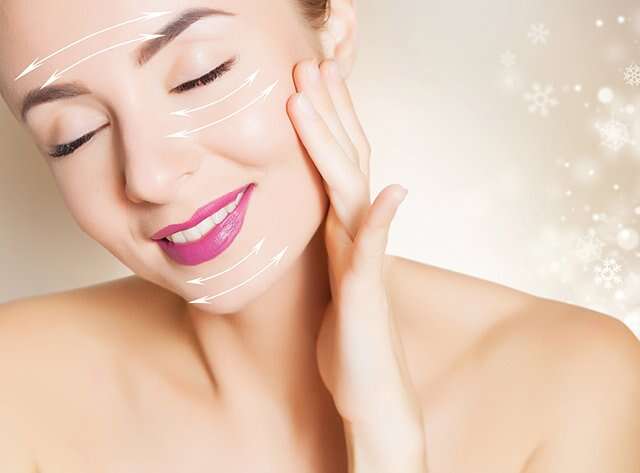
Skin rejuvenation has become a central focus in modern aesthetic dermatology as wrinkles, skin laxity, and declining elasticity remain the most recognizable clinical signs of cutaneous aging. Among various contributing factors, photoaging caused by chronic ultraviolet (UV) exposure accounts for the largest proportion of premature aging, characterized histologically by epidermal thinning, collagen degradation, elastin disorganization, and progressive loss of dermal structural integrity.
Clinically, these changes translate into sagging skin, fine to moderate wrinkles, uneven skin tone, and deterioration of overall skin quality—often making the face appear older than its biological age.
As patient demand increasingly shifts toward safe, non-invasive, and low-downtime rejuvenation solutions, Radiofrequency (RF) technology has emerged as one of the most extensively studied and widely adopted modalities in modern aesthetic dermatology. RF is not only among the earliest energy-based technologies approved by the U.S. Food and Drug Administration (FDA) for facial skin tightening, but it has also evolved through multiple device generations, including monopolar RF, bipolar/multipolar RF, and fractional microneedle RF.
This raises an essential clinical question:
Where does the effectiveness of RF skin rejuvenation truly come from? Is it durable? And what is the real medical value of RF based on current scientific evidence?
This article provides a comprehensive, evidence-based analysis of RF skin rejuvenation, integrating histological mechanisms, clinical outcomes, and practical dermatological perspectives.
Skin rejuvenation
Understanding aging skin: The biological foundation for evaluating RF effectiveness
Skin aging is a multilayered biological process
Skin aging is broadly classified into two interacting mechanisms:
- Intrinsic aging: genetically programmed, age-related physiological decline
- Extrinsic aging: primarily driven by UV radiation, environmental pollution, and oxidative stress
In photoaged skin, histopathological studies consistently demonstrate:
- Progressive epidermal thinning
- Degradation of type I and type III collagen
- Abnormal accumulation and fragmentation of elastin fibers (solar elastosis)
- Upregulation of matrix metalloproteinases (MMPs), accelerating extracellular matrix breakdown
The cumulative effect is structural weakening of the dermis, leading to wrinkles, skin laxity, textural irregularities, and pigmentary disorders.
These pathological changes represent the primary therapeutic targets of modern RF-based rejuvenation technologies.
What is RF skin rejuvenation?
Radiofrequency (RF) refers to electromagnetic waves within the frequency range of 3 kHz to 300 MHz. When RF energy passes through biological tissue, it generates controlled endogenous heat due to tissue resistance—independent of skin chromophores such as melanin.
In dermatology, RF selectively delivers thermal energy to the dermis and subdermal layers, while largely preserving the epidermis.
In 2002, the FDA approved the first monopolar RF device (Thermage) for periorbital skin tightening. By 2006, RF indications expanded to full-face skin rejuvenation, establishing RF as a cornerstone of non-invasive anti-aging protocols [2].
Today, RF remains a foundational technology in reputable dermatology clinics, including leading centers such as Citrine Derma Clinic, a trusted Dermatology clinic in District 7, Ho Chi Minh City.
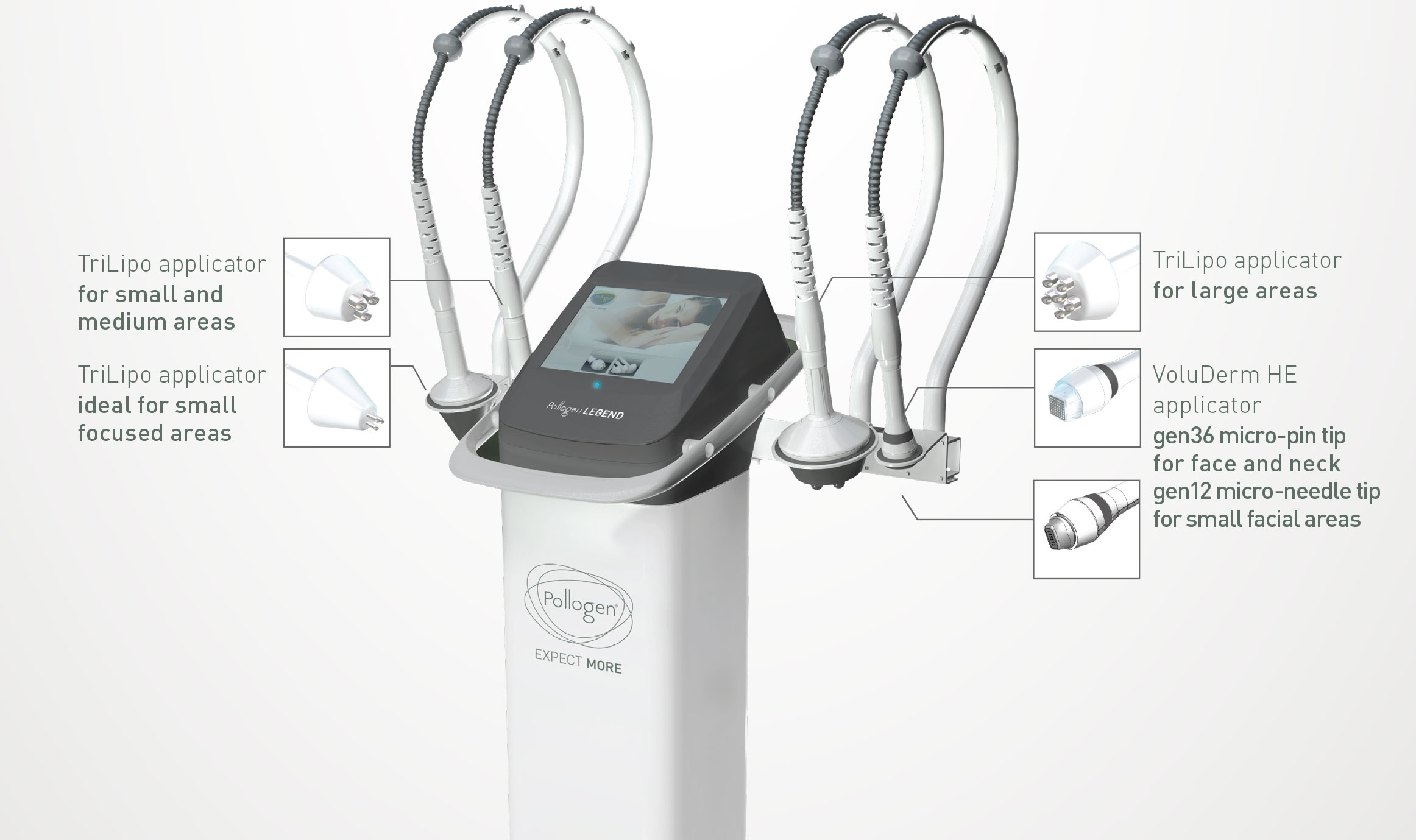
Công nghệ RF Pollogen Legend
Mechanisms behind the rejuvenating effects of RF
1. Immediate Collagen Contraction
When dermal tissue temperature reaches approximately 42–45°C, RF-induced heat causes:
- Disruption of intramolecular hydrogen bonds
- Immediate collagen fiber contraction
This explains the instant skin-tightening effect often observed immediately after RF treatment.
2. Stimulation of neocollagenesis and neoelastogenesis
Beyond immediate effects, RF induces a controlled physiological micro-inflammatory response, leading to:
- Activation of fibroblasts
- Increased expression of transforming growth factor-beta (TGF-β)
- Remodeling of type I and III collagen
- Long-term elastin regeneration
Histological studies show significant increases in dermal collagen volume within 2–3 months, especially when RF is performed in multiple sessions using low-to-moderate energy levels [1].
3. Selective effects on adipose and soft tissue
Advanced RF systems may also:
- Induce selective adipocyte apoptosis
- Promote soft tissue contraction
- Improve facial contours and jawline definition
This contributes to RF’s role in both skin tightening and contour refinement.
Clinical effectiveness across RF device generations
1. Monopolar RF
- Penetration depth: up to 20–25 mm
- Strong effect on moderate skin laxity
- Higher discomfort risk if parameters are not properly controlled
Clinical trials demonstrate significant improvement in:
- Periorbital wrinkles
- Lower face sagging
- Overall skin firmness within 3 months
2. Bipolar & multipolar RF
- Shallower penetration: 2–8 mm
- More uniform heat distribution
- Fewer side effects and minimal downtime
Best suited for:
- Mild to moderate facial aging
- Sensitive skin
- Long-term collagen maintenance protocols
3. Fractional microneedle RF
- Direct delivery to deep dermis
- High efficacy for:
- Deep wrinkles
- Pronounced laxity
- Acne scars
Often combined with regenerative therapies in advanced dermatology clinics.
Is RF skin rejuvenation long-lasting?
According to the systematic review by Vassão et al., RF demonstrates:
- Significant effectiveness in mild to moderate aging
- Clinical improvements lasting 6–12 months
- Enhanced durability with protocol-based and maintenance treatments [1]
Similarly, Lyu & Liu reported consistent improvements in:
- Skin firmness
- Surface texture
- Fine to moderate wrinkles
with a high safety profile and low complication rates [2].
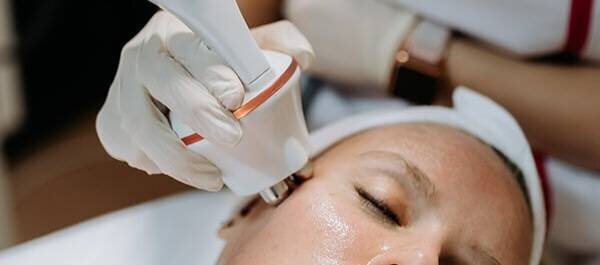
Is RF skin rejuvenation long-lasting?
Strengths and limitations of RF skin rejuvenation
1. Key Advantages
- Non-invasive or minimally invasive
- Independent of skin color
- Low risk of scarring or pigmentary complications
- Short recovery time
- Suitable for a wide age range
2. Limitations to consider
- Some studies rely on subjective outcome measures
- Lack of universal standardization in RF parameters
- Outcomes highly dependent on:
- Device quality
- Operator expertise
- Individualized treatment planning
👉 This underscores the importance of receiving RF treatments at a good dermatology clinic, under the supervision of experienced dermatologists.
Clinical value of RF at Citrine Derma Clinic
At Citrine Derma Clinic, RF rejuvenation protocols are designed based on:
- Thorough dermatological assessment
- Evidence-based energy parameters
- Individualized treatment goals
As a reputable Dermatology clinic in Ho Chi Minh City, Citrine Derma Clinic is widely regarded as a good dermatology clinic in District 7, serving both local and international patients seeking safe, non-invasive rejuvenation.
Patients looking for a good dermatologist in District 7 or a good dermatologist in Ho Chi Minh City benefit from:
- Medically supervised RF treatments
- Advanced technology platforms
- Long-term skin health strategies rather than short-term cosmetic fixes
Conclusion: The true medical value of RF skin rejuvenation
RF skin rejuvenation is not merely a temporary skin-tightening procedure—it represents a biologically grounded process of collagen remodeling with clearly defined mechanisms and validated clinical outcomes.
With its favorable safety profile, durable results, and high degree of personalization, RF remains a cornerstone of modern non-invasive aesthetic dermatology. However, optimal outcomes depend on:
- Proper patient selection
- Correct technique and parameters
- Structured follow-up and maintenance
Based on current scientific evidence, RF is an effective, safe, and medically valuable modality—and continues to evolve as research advances.
References
- Vassão, P. G., Balão, A. B., Credidio, B. M., Do Vale, G. C. A., Assis Garcia, L., Martignago, C. C. S., & Renno, A. C. M. (2022). Radiofrequency and skin rejuvenation: A systematic review. Journal of Cosmetic and Laser Therapy, 24(1–5), 9–21.
- Lyu, J. J., & Liu, S. X. (2022). Radiofrequency in facial rejuvenation. International Journal of Dermatology and Venereology, 5(2), 94–100.
Lưu ý y khoa
Nội dung bài viết chỉ mang tính tham khảo, không thay thế cho chẩn đoán, chỉ định hoặc tư vấn trực tiếp từ bác sĩ/chuyên gia y khoa. Hiệu quả điều trị có thể khác nhau tùy theo cơ địa, tình trạng da và phác đồ phù hợp với từng khách hàng.
- Giải Pháp Điều Trị Nám, Tàn Nhang Tận Gốc Với Laser Fotona & CO2 Fractional
- Sofwave – Làn Sóng Mới Giúp Da Căng Bóng, Nâng Cơ Trẻ Hóa Hiệu Quả Chỉ Sau 1 Liệu Trình
- Cách Chăm Sóc Da Sau Khi Bắn Laser Trị Nám Chuẩn Khoa Học
- Điều Trị Mụn Ở Má Hiệu Quả – Vì Sao Mụn Tái Phát Và Cách Khắc Phục
- Sự Thật Về Điều Trị Sẹo Rỗ – Vì Sao Có Trường Hợp Sẹo Lõm Tái Phát?