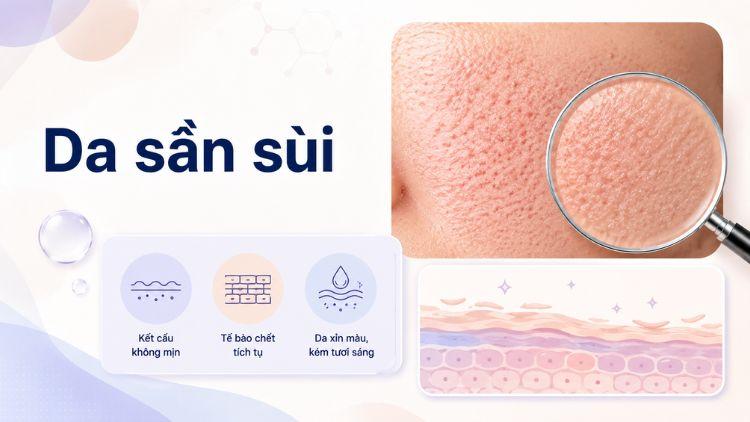


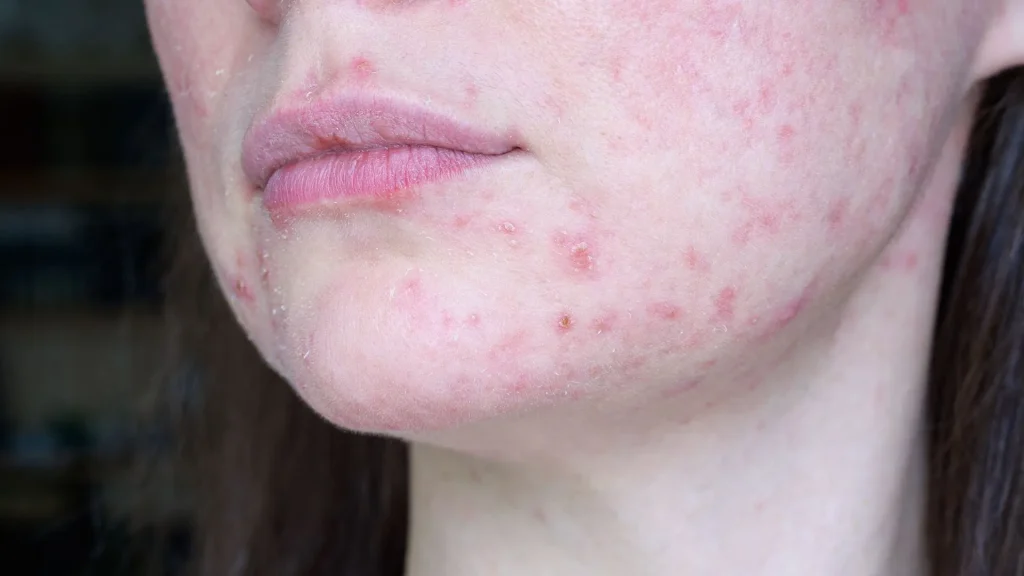
Post-inflammatory hyperpigmentation (PIH) is a frequent and often persistent consequence of inflammatory acne. Although acne lesions may resolve within weeks, residual dark macules can linger for months or even years, especially in individuals with Asian skin types and skin of color (SOC). For many patients, PIH has a greater psychosocial impact than active acne itself.
In modern dermatologic practice, particularly at a high-volume dermatology clinic in Ho Chi Minh City, clinicians increasingly face the question: Is monotherapy sufficient, or do combination therapies provide superior outcomes for post-inflammatory hyperpigmentation? Emerging evidence from 2024–2025 suggests that combination approaches—integrating topical agents with procedural interventions such as chemical peels or laser—consistently outperform monotherapy, especially in SOC and Asian populations.
At Citrine Derma Clinic, a trusted dermatology clinic in District 7, dermatologists routinely apply individualized, combination-based protocols to address the multifactorial pathogenesis of PIH. This article provides an updated, evidence-based comparison of combination therapies versus monotherapy for post-inflammatory hyperpigmentation, incorporating recent clinical insights and international literature [1–3].
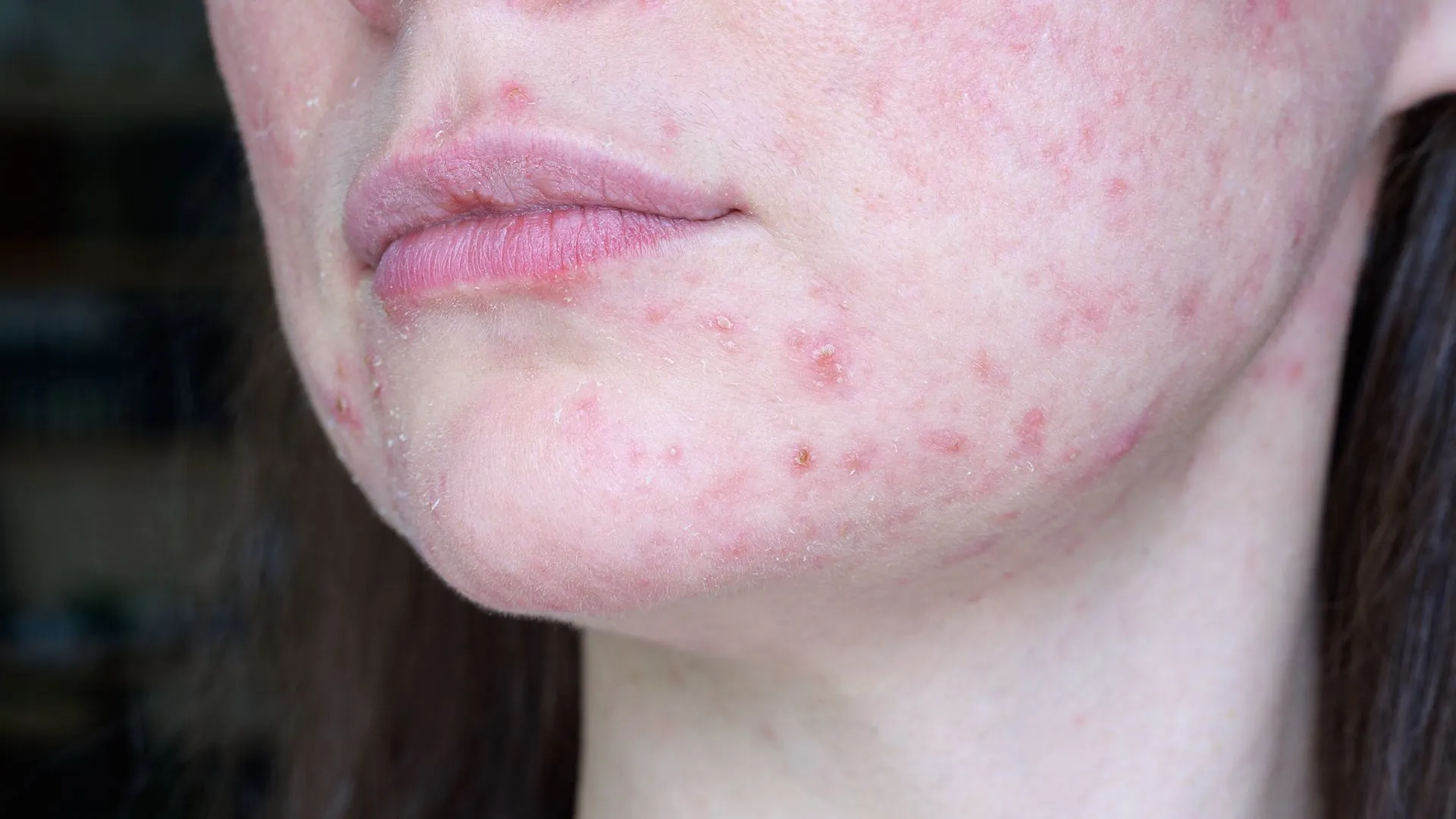
Post-inflammatory hyperpigmentation (PIH) is a frequent and often persistent consequence of inflammatory acne
Pathophysiology of post-inflammatory hyperpigmentation: Why one modality is often not enough
Post-inflammatory hyperpigmentation arises from a complex interplay of:
- Inflammatory mediators stimulating melanocyte activity
- Increased tyrosinase-driven melanogenesis
- Epidermal and/or dermal melanin deposition
- Exacerbation by ultraviolet exposure and delayed acne control
Auffret et al. (2025) emphasized that PIH severity correlates with inflammation intensity and pigmentation depth, highlighting why treatments targeting a single pathway often yield incomplete or slow responses [1]. This multifactorial nature forms the biological rationale for combination therapy.
Monotherapy for post-inflammatory hyperpigmentation
1. Topical monotherapy
Common topical monotherapies include:
- Hydroquinone
- Azelaic acid
- Retinoids
- Niacinamide
- Tranexamic acid
These agents primarily suppress melanogenesis or melanosome transfer. While effective in mild, superficial PIH, monotherapy often requires prolonged treatment durations and may fail to adequately address dermal pigmentation.
Monotherapy outcomes are highly dependent on adherence, sun protection, and early intervention, with variable results in real-world settings [3].
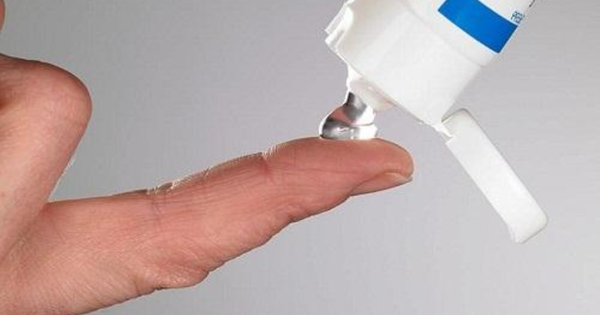
Topical monotherapy
2. Procedural monotherapy
Procedural monotherapy may involve:
- Superficial chemical peels
- Laser or light-based treatments
Drozhdina et al. (2022) noted that while procedural monotherapy can improve pigmentation, relapse is common if melanocyte activity and inflammation are not concurrently suppressed [2]. Therefore, at a good dermatology clinic in District 7, procedural monotherapy is typically reserved for carefully selected cases.
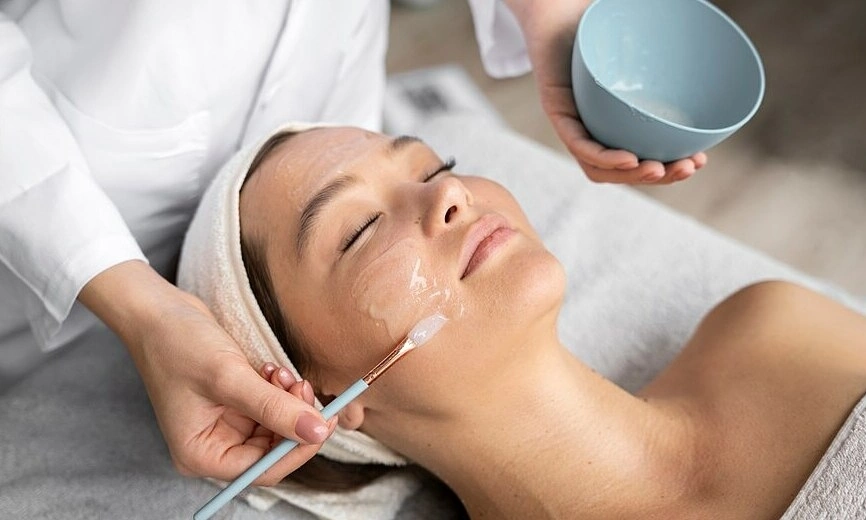
Superficial chemical peels
Combination therapy: Concept and clinical rationale
Combination therapy integrates two or more modalities to:
- Suppress ongoing melanogenesis
- Accelerate clearance of existing pigment
- Reduce inflammation
- Improve epidermal turnover
Recent systematic reviews and clinical updates (2024–2025) confirm that combination topical + procedural approaches achieve faster pigment clearance and lower relapse rates, particularly in Asian and SOC patients.
At Citrine Derma Clinic, this strategy is considered the standard of care for moderate to severe PIH, under the supervision of experienced dermatologists.
Common combination therapy strategies
1. Topical agents + chemical peels
Superficial chemical peels enhance epidermal exfoliation and improve penetration of topical depigmenting agents.
a. Clinical advantages:
- Faster improvement in epidermal PIH
- Improved skin texture and tone
b. Risks:
- Irritation or rebound PIH if overused
A good dermatologist in Ho Chi Minh City carefully selects peel type, concentration, and treatment intervals to ensure safety.
2. Topical agents + laser or light-based therapies
Laser or IPL treatments fragment or reduce existing pigment, while topical agents suppress melanocyte reactivation.
Evidence-based benefits:
- Synergistic efficacy
- Reduced number of laser sessions
- Lower post-procedural PIH risk
This approach is widely applied at Citrine Derma Clinic, a reputable dermatology clinic in District 7, especially for patients with mixed epidermal–dermal pigmentation.
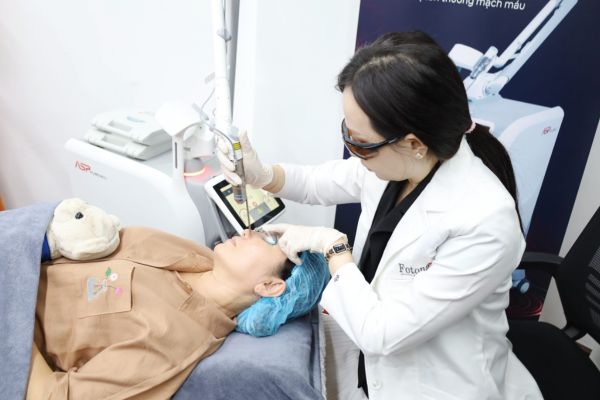
Laser therapies
Emerging role of topical tranexamic acid in combination therapy
Recent studies (2023–2025) highlight topical tranexamic acid (TXA) as a valuable addition to combination regimens for post-acne PIH.
1. Mechanisms
- Anti-melanogenic effects without melanocyte cytotoxicity
- Inhibition of UV-induced inflammatory pathways
- Reduction of vascular and inflammatory triggers of pigmentation
2. Clinical advantages
- High safety profile
- Suitable for long-term use
- Particularly effective in combination with retinoids, azelaic acid, peels, or laser
Adebusoye & Srivastava (2025) emphasized TXA’s growing role in combination protocols for acne-related PIH, especially in SOC populations [3]. At Citrine Derma Clinic, topical TXA is frequently incorporated into personalized treatment plans to enhance outcomes and reduce relapse.
Clinical evidence: Combination therapy vs. monotherapy
Across multiple reviews and clinical analyses:
- Combination therapy demonstrates faster onset of improvement
- Higher overall clearance rates
- Lower recurrence of pigmentation
- Improved patient satisfaction
Auffret et al. (2025) concluded that combination approaches consistently outperform monotherapy, particularly in patients with moderate to severe or recurrent PIH [1].
Advantages of combination therapy
- Targets multiple pathogenic pathways
- Allows lower concentrations of individual agents
- Reduces treatment duration
- Improves adherence and long-term outcomes
These advantages explain why combination therapy is widely adopted at leading dermatology clinics in Ho Chi Minh City.
Limitations and risk management
Despite its benefits, combination therapy requires:
- Careful sequencing of treatments
- Strict photoprotection
- Professional supervision
Improper combinations or overly aggressive protocols may increase the risk of irritation or post-inflammatory hyperpigmentation. Therefore, management by a good dermatologist in District 7 is essential.
Individualized treatment planning at Citrine Derma Clinic
Effective PIH management depends on:
- Fitzpatrick skin phototype
- Depth and severity of pigmentation
- Ongoing acne activity
- Patient lifestyle and expectations
At Citrine Derma Clinic, every patient undergoes comprehensive dermatologic assessment to design a safe and effective combination regimen, reinforcing its reputation as a good dermatology clinic in District 7.
Why choose Citrine Derma Clinic?
As a trusted dermatology clinic in Ho Chi Minh City, Citrine Derma Clinic is recognized for:
- Evidence-based combination treatment protocols
- Expertise in Asian skin types
- Personalized care by experienced dermatologists
- Commitment to long-term skin health
Patients seeking a good dermatologist in Ho Chi Minh City can rely on Citrine Derma Clinic for ethical, scientific, and results-driven care.
Conclusion
While monotherapy may be appropriate for mild post-inflammatory hyperpigmentation, current evidence strongly supports combination therapies as the gold standard for moderate to severe PIH—particularly in Asian and skin-of-color populations. By addressing multiple pathogenic mechanisms simultaneously, combination approaches deliver faster, more durable, and more satisfying outcomes.
Guided by up-to-date clinical evidence [1–3], Citrine Derma Clinic continues to lead in personalized, combination-based PIH management, affirming its position as a premier dermatology clinic in Ho Chi Minh City.
References
- Auffret, N., Leccia, M. T., Ballanger, F., Claudel, J. P., Dahan, S., & Dréno, B. (2025). Acne-induced post-inflammatory hyperpigmentation: From grading to treatment. Acta Dermato-Venereologica, 105, 42925.
- Drozhdina, M. B., Bobro, V. A., Sennikova, Y. A., & Kornilova, E. I. (2022). Post-acne symptom complex. Approaches to therapy. Vestnik dermatologii i venerologii, 98(2), 28–41.
- Adebusoye, O. C., & Srivastava, G. (2025). Clinical approaches in vogue for combination therapies for acne and post-inflammatory hyperpigmentation–A comprehensive review. Cosmoderma, 5.
Lưu ý y khoa
Nội dung bài viết chỉ mang tính tham khảo, không thay thế cho chẩn đoán, chỉ định hoặc tư vấn trực tiếp từ bác sĩ/chuyên gia y khoa. Hiệu quả điều trị có thể khác nhau tùy theo cơ địa, tình trạng da và phác đồ phù hợp với từng khách hàng.