

Acne scar treatment continues to be one of the most challenging aspects of acne management, as post-acne scarring often persists long after active acne vulgaris has subsided. In Vietnam and other tropical regions, the hot and humid climate promotes sebaceous overactivity and prolonged inflammation, resulting in post-acne scarring rates estimated at 60–80%. Common scar types such as ice pick, boxcar, and rolling scars not only disrupt skin texture but also exert a profound negative effect on self-esteem, social interaction, and overall quality of life.
The longer acne scars persist, the more difficult they become to treat. This is largely due to the formation of fibrotic bands beneath the dermis, which tether the skin downward and create permanent depressions. As a result, traditional approaches such as topical creams, superficial microneedling, or surface-level lasers often fail to produce meaningful improvement in deep atrophic scars.
At Citrine Derma Clinic, a leading Dermatology clinic in District 7, a comprehensive and evidence-based approach is applied: subcision combined with Fotona laser technology and regenerative therapy using Elevai stem cells. Under the expertise of MSc. MD Châu Ngọc Tố Trinh, this standardized yet fully personalized protocol has demonstrated superior outcomes, especially in long-standing and severe acne scars.
As a good dermatologist in District 7 with extensive experience in acne scar reconstruction and skin regeneration, Dr. Trinh emphasizes:
“There is no single method that can completely treat acne scars. Effective scar treatment requires a combination of technologies that directly target the root mechanisms of each scar type.”
This article explores why acne scars are difficult to treat, the scientific rationale behind subcision and laser combination therapy, clinical outcomes, and why this approach has become the gold standard for atrophic acne scars.
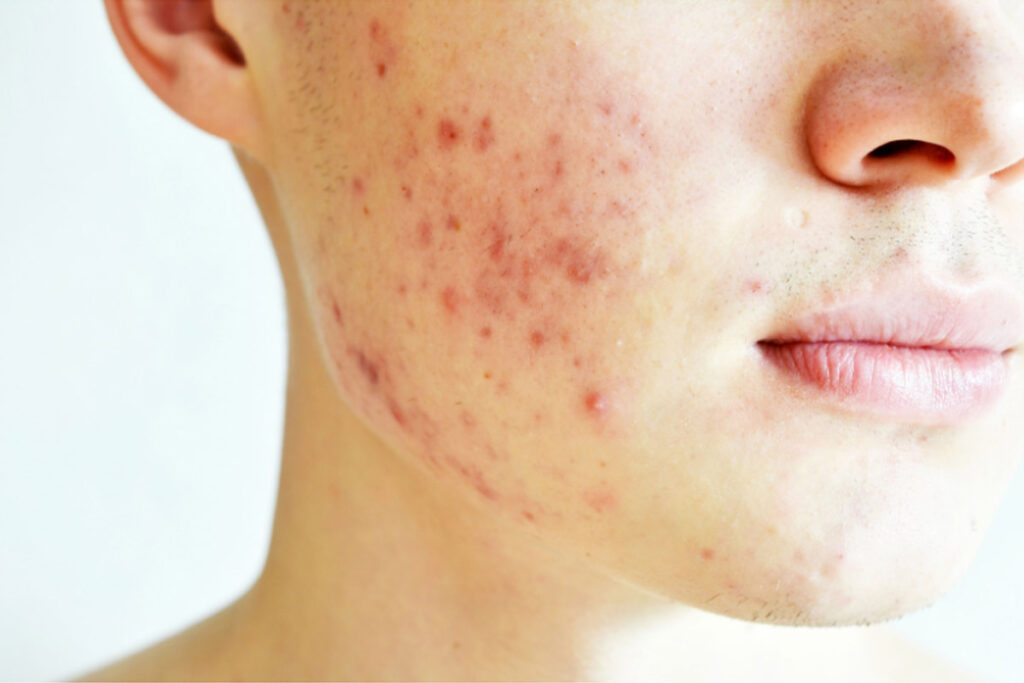
Acne scar treatment
Why are acne scars so difficult to treat?
Acne scars form as a consequence of deep inflammatory damage to the skin’s supporting structures. Beneath each depressed scar, several pathological processes coexist:
- Fibrotic bands tethering the skin downward, creating visible depressions
- Dense, rigid scar tissue that blocks normal collagen regeneration
- Residual inflammatory cells and abnormal microvasculature, contributing to redness and uneven pigmentation
Because of these factors, treatments that only target the skin surface often result in limited improvement—typically 10–20% at best—when fibrotic anchoring remains unaddressed.
Scientific reviews emphasize that mechanical release of scar tethering is essential for treating rolling and boxcar scars, especially those that are long-standing [1][2]. Without releasing the scar base, laser energy cannot penetrate effectively, and collagen stimulation remains insufficient.
Subcision mechanism: Releasing the scar base
Subcision is a minimally invasive surgical technique designed to treat atrophic acne scars by targeting their underlying cause.
How subcision works
Subcision involves the use of a specialized needle or blunt cannula inserted beneath the scar to:
- Cut fibrotic bands tethering the scar base
- Release the depressed tissue, allowing immediate elevation
- Create a controlled subdermal space, which stimulates wound healing
- Induce collagen deposition, gradually filling the scar over time
Clinical studies confirm that subcision is particularly effective for rolling scars and deep boxcar scars, offering both immediate and progressive improvement [1].
At Citrine Derma Clinic, scar morphology, depth, and distribution are carefully assessed before determining:
- The subcision depth
- Instrument selection
- Treatment extent
This ensures maximum efficacy while maintaining safety, especially for Asian skin types.
Fotona Laser: Multilayer technology for acne scar treatment
While subcision releases the mechanical tethering, laser therapy is essential to stimulate collagen remodeling and refine skin texture. Fotona is a premium laser platform known for its precision, safety, and versatility.
Why Fotona laser is different
Fotona laser systems utilize proprietary technologies that allow the creation of deep micro-channels following subcision. These channels enable laser energy to penetrate deeper than conventional lasers, amplifying treatment effectiveness.
Key advantages of Fotona laser include:
- Powerful collagen stimulation
- High safety profile for Asian skin
- Lower risk of post-inflammatory hyperpigmentation (PIH) compared to fractional CO₂ lasers
- Shorter downtime and faster recovery
- Precise targeting, making it effective for long-standing scars
Fotona laser acts across multiple skin layers, addressing both deep dermal remodeling and surface refinement.
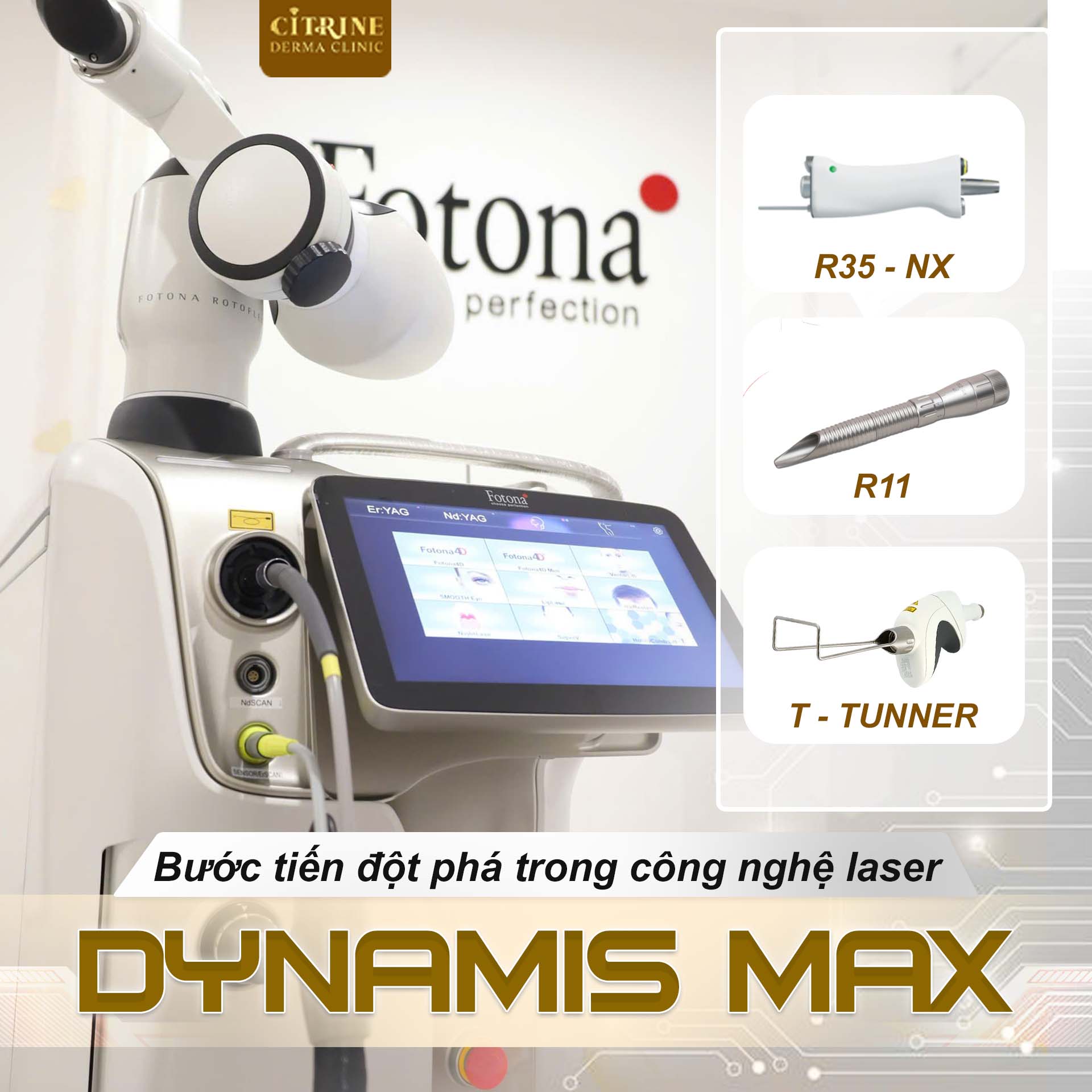
Fotona Dynamis Max Laser
Why is combination therapy the most effective approach?
Subcision and laser therapy work through complementary mechanisms, making their combination significantly more effective than either treatment alone.
a. Individual Contributions
- Subcision
- Releases fibrotic bands
- Provides immediate improvement of 20–40%
- Creates biological space for regeneration
- Fotona Laser
- Stimulates deep collagen synthesis
- Smooths surface irregularities
- Produces progressive improvement over 3–6 months
b. Synergistic results
When combined:
- Scar improvement increases to 50–70% after 3–5 sessions
- Collagen remodeling becomes more uniform
- Long-term results are more stable and natural
This synergistic effect is strongly supported by recent reviews emphasizing combination-based strategies as the standard of care for atrophic acne scars [2].
Real-world case study at Citrine Derma Clinic
a. Patient Profile
- Male, 26 years old
- Rolling and boxcar scars
- Oily, sensitive skin
b. Treatment Protocol
- 1 session of subcision
- 3 sessions of Fotona laser
- 3 sessions of Elevai stem cell therapy
- 5 recovery-focused skin care sessions
c. Results After 3 Months
- 60% improvement in scar depth
- Brighter, more even skin tone
- Significant reduction in deep depressions
- No PIH or post-treatment hyperpigmentation
This case illustrates the importance of personalized, multi-technology treatment plans, particularly in patients with sensitive or acne-prone skin.
Indications and contraindications
a. Indications
- Rolling scars
- Boxcar scars
- Long-standing acne scars
- Fibrotic, rigid scar tissue
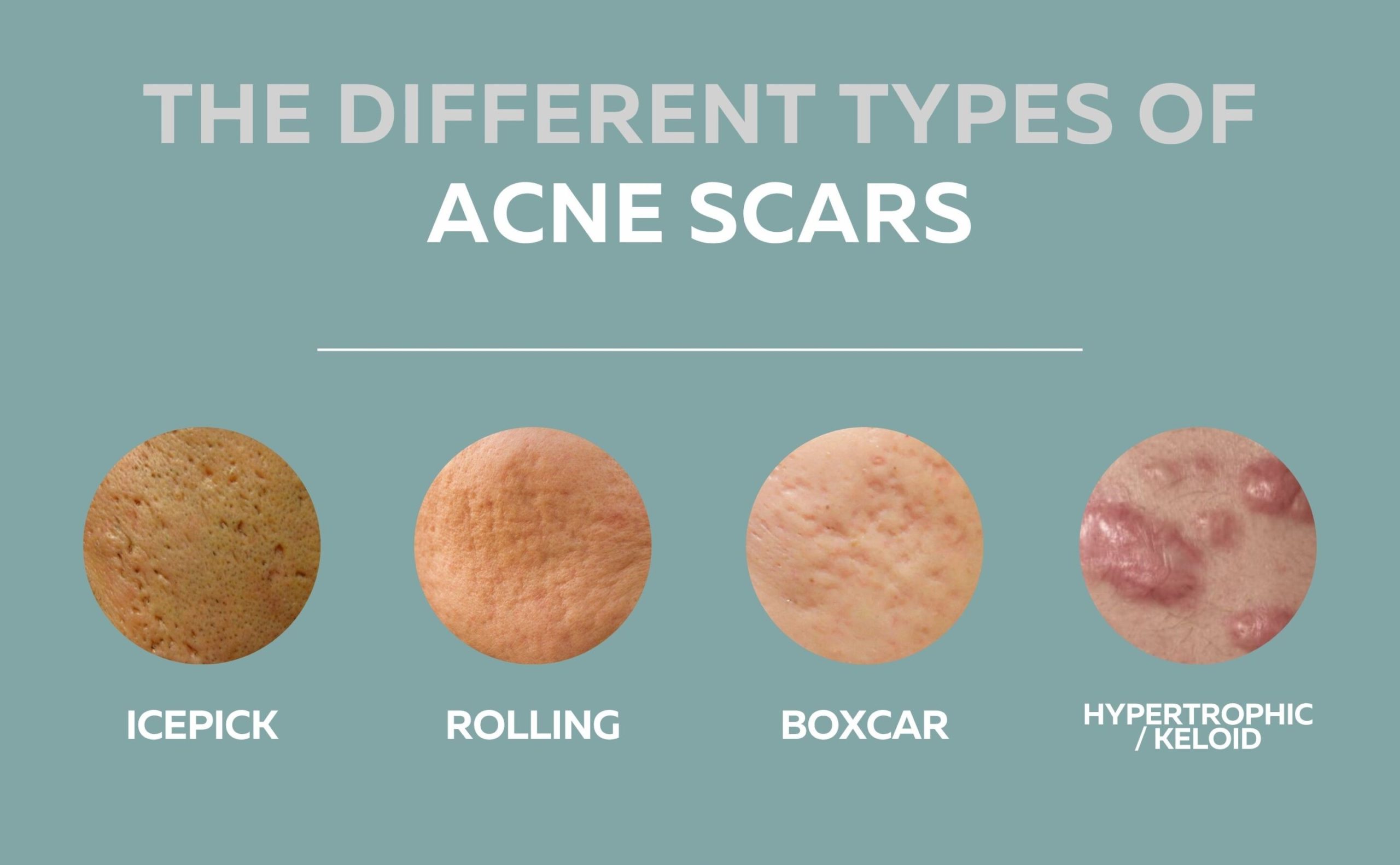
Types of acne scars
b. Contraindications
- Active skin infections
- Recent isotretinoin use (insufficient washout period)
- Pregnancy
- Certain connective tissue disorders
Proper patient selection is crucial to achieving optimal outcomes and minimizing risks.
Citrine Derma Clinic: A trusted destination for acne scar treatment
As a reputable Dermatology clinic in Ho Chi Minh City, Citrine Derma Clinic combines advanced technology with deep clinical expertise.
Why patients choose Citrine:
- Advanced laser systems: Fotona Dynamis, Fotona StarWalker
- Evidence-based, physician-led protocols
- Personalized treatment planning
- Strong focus on safety and long-term results
These strengths position Citrine as a good dermatology clinic in District 7 and a reliable choice for those seeking a good dermatologist in Ho Chi Minh City or a good dermatologist in District 7.
Conclusion
Acne scar treatment is a long-term journey that requires patience, medical expertise, and the right technology. Among modern solutions, subcision combined with multi-layer laser therapy has emerged as the most effective approach for treating atrophic acne scars.
By releasing scar tethering, stimulating collagen regeneration, and refining skin texture, the Subcision + Fotona Laser protocol at Citrine Derma Clinic delivers 50–70% improvement after 3–5 sessions, with minimal downtime and excellent safety for Asian skin.
Citrine Derma Clinic is proud to be a leading Dermatology clinic in District 7, offering state-of-the-art technology, experienced dermatologists, and personalized treatment strategies. Under the care of MSc. MD Châu Ngọc Tố Trinh, patients receive safe, effective, and sustainable solutions for acne scar recovery.
If you are seeking a proven solution for acne scars and smoother, healthier skin, Citrine Derma Clinic is a place you can trust.
👉 Schedule a consultation today for advanced skin analysis and a personalized acne scar treatment plan.
Frequently Asked Questions (FAQ)
- Is laser acne scar treatment painful?
Mild discomfort may occur, but topical anesthesia is applied to ensure comfort. - When will I see results?
Initial improvement of 20–40% is often seen after the first session, with 50–70% improvement after 3–5 sessions. - Is downtime required?
Fotona laser recovery typically takes 5–7 days. - Can sensitive skin undergo this treatment?
Yes. Treatment settings are carefully customized for sensitive skin.
References
- Ahramiyanpour, N., Rastaghi, F., Parvar, S. Y., Sisakht, A. K., Hosseini, S. A., & Amani, M. (2023). Subcision in acne scarring: A review of clinical trials. Journal of Cosmetic Dermatology, 22(3), 744–751.
- Vempati, A., Zhou, C., Tam, C., Khong, J., Rubanowitz, A., Tam, K., et al. (2023). Subcision for atrophic acne scarring: A comprehensive review of surgical instruments and combinatorial treatments. Clinical, Cosmetic and Investigational Dermatology, 125–134.
Lưu ý y khoa
Nội dung bài viết chỉ mang tính tham khảo, không thay thế cho chẩn đoán, chỉ định hoặc tư vấn trực tiếp từ bác sĩ/chuyên gia y khoa. Hiệu quả điều trị có thể khác nhau tùy theo cơ địa, tình trạng da và phác đồ phù hợp với từng khách hàng.