

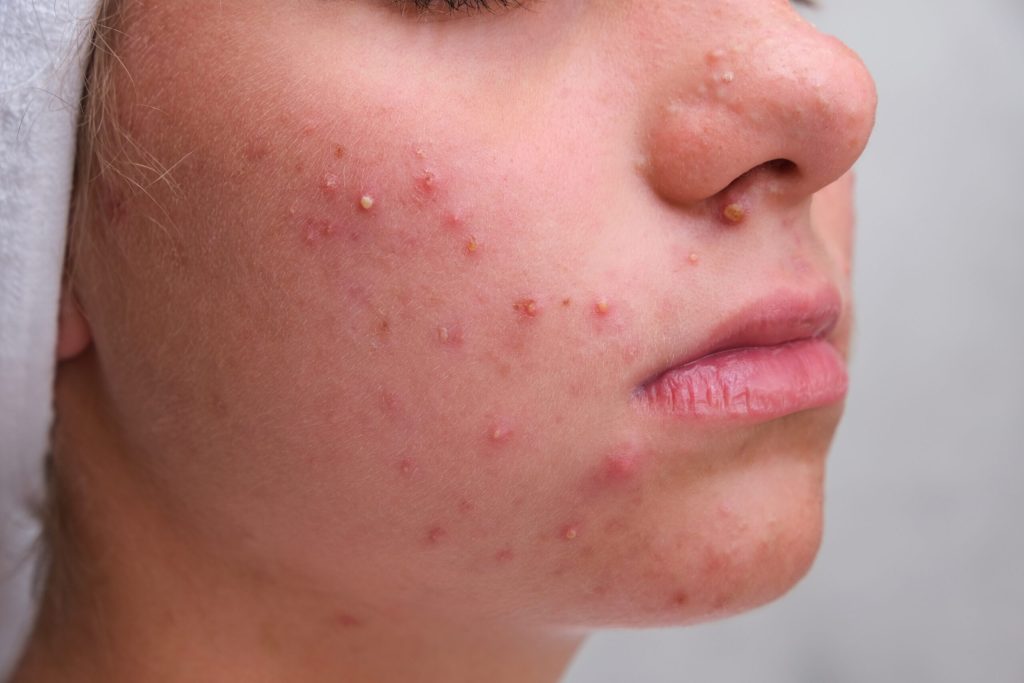
Acne treatment remains a clinical challenge due to the chronic, relapsing inflammatory nature of acne vulgaris, a condition that affects both adolescents and adults worldwide. Although traditionally considered a disorder of adolescence, acne increasingly persists into adulthood, particularly among women. Beyond its visible manifestations, acne imposes a significant psychosocial burden, negatively impacting self-esteem, emotional well-being, and overall quality of life.
Conventional approaches to acne treatment have historically focused on pharmacologic interventions, including topical agents, oral antibiotics, and isotretinoin. While these therapies remain essential components of care, accumulating evidence suggests that single-modality treatment is often insufficient to achieve sustained remission. High relapse rates, treatment intolerance, and growing concerns regarding antibiotic resistance underscore the need for a more comprehensive management strategy.
A holistic model of acne management—integrating medical therapy, procedural dermatology, appropriate skincare, and patient education—has emerged as a more effective and sustainable approach. Recent reviews emphasize that managing acne as a chronic condition rather than an acute episode leads to improved long-term outcomes and higher patient satisfaction [1];[2].
At Citrine Derma Clinic, holistic acne management is a core clinical philosophy, ensuring that each patient receives individualized, evidence-based care aimed not only at clearing active lesions but also at preventing recurrence and maintaining long-term skin health.
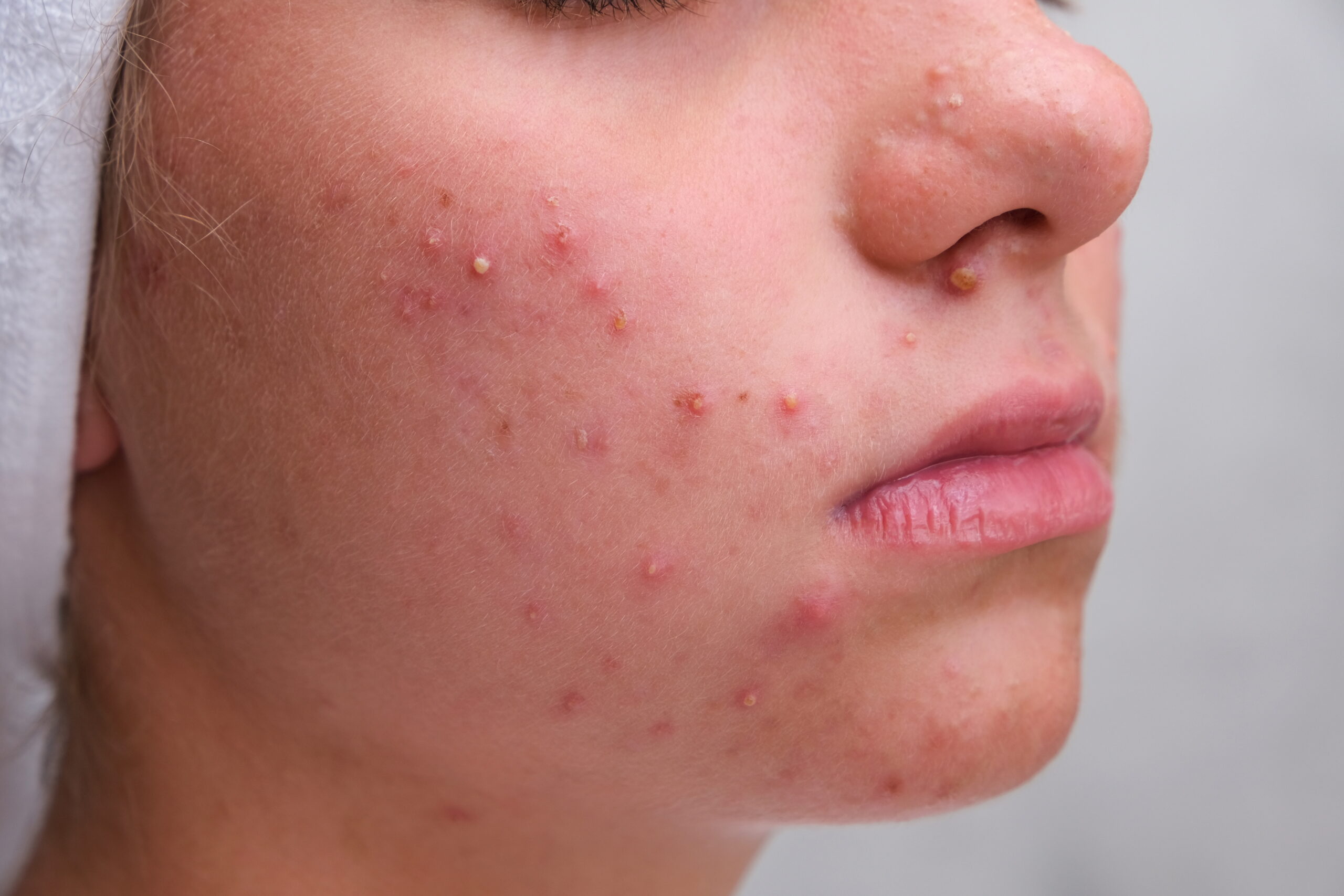
Acne vulgaris
Principles of holistic acne management
Holistic acne management is grounded in the understanding that acne is influenced by biologic, behavioral, hormonal, and environmental factors. Effective treatment therefore requires a multidimensional approach.
Key principles include:
- Treating acne as a chronic inflammatory disease
- Individualizing therapy based on acne severity, age, gender, and lifestyle
- Combining pharmacologic treatment with procedural interventions and supportive skincare
- Emphasizing long-term maintenance and patient education
Evidence supports that holistic strategies improve adherence, reduce relapse, and minimize adverse effects associated with prolonged medication use [1].
Role of medical treatment in holistic acne care
Medical therapy remains the backbone of acne treatment and is essential in controlling active disease.
a. Topical Therapy
Topical agents are first-line treatments for mild to moderate acne and form the foundation of maintenance therapy. These include:
- Topical retinoids, which normalize follicular keratinization and prevent microcomedone formation
- Benzoyl peroxide, providing antibacterial and anti-inflammatory effects
- Topical antibiotics, used in combination regimens to reduce inflammatory lesions
Guidelines and contemporary reviews stress the importance of combination therapy and limited duration of topical antibiotics to prevent resistance [2].
b. Systemic Therapy
Systemic treatment is indicated for moderate to severe acne or when topical therapy alone is insufficient.
- Oral antibiotics reduce inflammation but should be used for the shortest effective duration
- Hormonal therapy plays a critical role in selected female patients with hormonally driven acne
- Isotretinoin is reserved for severe, nodulocystic, or treatment-resistant acne
Within a holistic framework, systemic agents are carefully integrated with maintenance strategies to reduce relapse and long-term dependency [1],[2].
Procedural dermatology as an adjunctive strategy
Procedural dermatology enhances holistic acne management by addressing both active lesions and post-acne sequelae.
- Chemical peels
Superficial chemical peels (e.g., salicylic acid, glycolic acid) help reduce comedones, improve inflammatory acne, and treat post-inflammatory hyperpigmentation. When used appropriately, they accelerate clinical improvement and support maintenance therapy.
- Light- and laser-based therapies
Light and laser treatments target Cutibacterium acnes, sebaceous gland activity, and inflammation. These modalities are particularly valuable in patients seeking non-pharmacologic options or those intolerant to systemic medications.
- Early intervention for post-acne sequelae
Procedures such as microneedling and non-ablative lasers may be introduced once active inflammation is controlled, reducing the risk of permanent scarring and pigmentary changes.
Importance of long-term maintenance therapy
One of the most critical components of holistic acne management is long-term maintenance. Acne is characterized by high recurrence rates once active treatment is discontinued.
Maintenance strategies typically include:
- Continued use of topical retinoids
- Appropriate skincare routines
- Periodic in-clinic treatments when indicated
Evidence suggests that maintenance therapy significantly reduces relapse and supports sustained remission, particularly in adult patients [1];[2].
Role of skincare, barrier repair, and patient education
- Skincare in Acne-Prone Skin
Appropriate skincare is essential in holistic acne management. Non-comedogenic cleansers, moisturizers, and sunscreens help support treatment efficacy and improve tolerability.
- Skin barrier repair
Many acne treatments compromise the skin barrier, leading to irritation and poor adherence. Barrier-repair strategies using ceramides, humectants, and gentle formulations improve tolerance and treatment outcomes.
- Patient education and behavioral factors
Patient education is a cornerstone of holistic care. Proper medication use, realistic expectations, and lifestyle considerations—such as stress management and product selection—directly influence treatment success [1].
At Citrine Derma Clinic, patient education is emphasized at every stage of acne treatment to empower patients and improve long-term adherence.
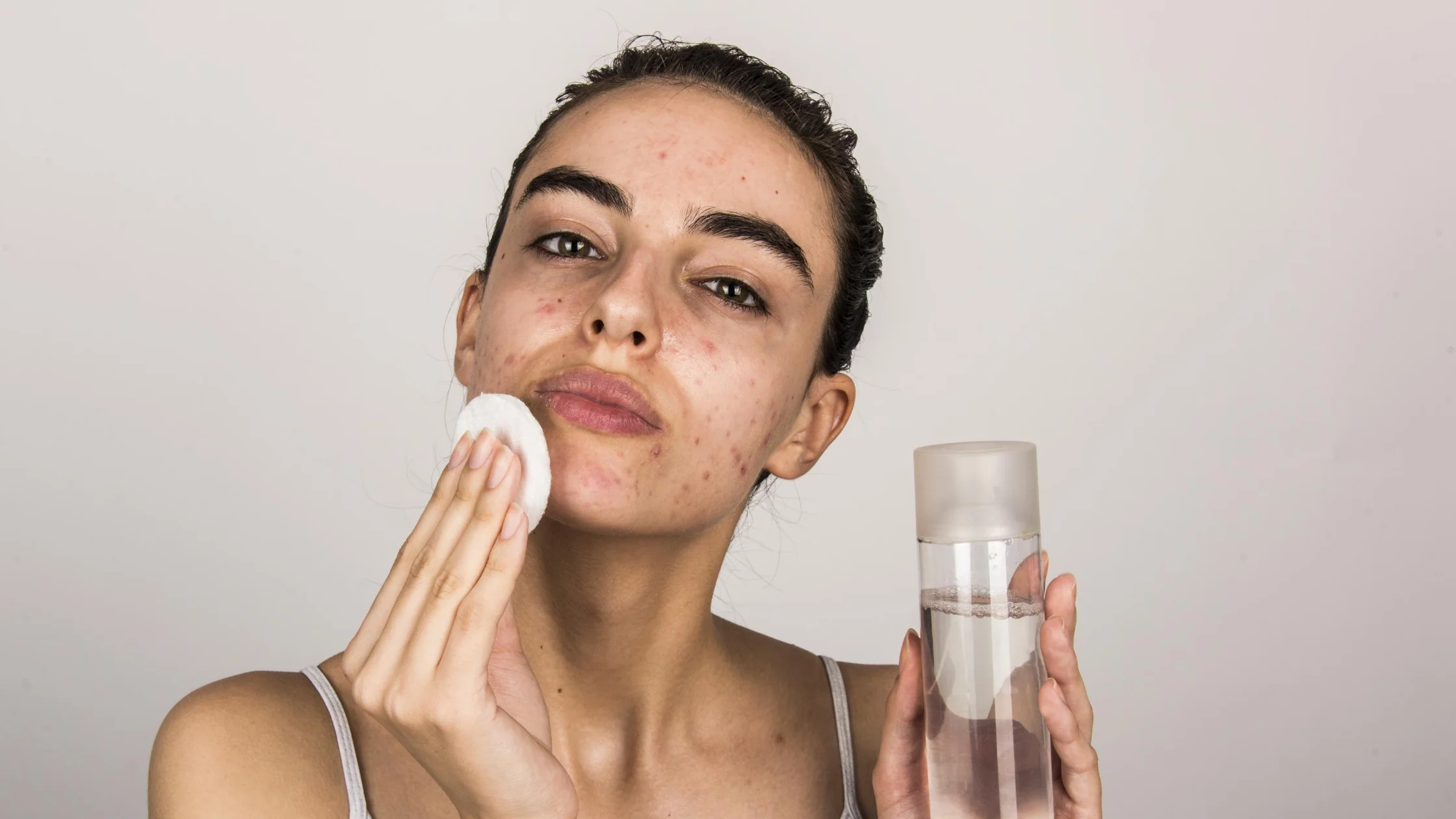
Skincare in Acne-Prone Skin
Acne management in adult women
Adult female acne represents a distinct clinical entity characterized by:
- Hormonal influences
- Lower face and jawline distribution
- Chronic, relapsing course
Holistic management in adult women often requires:
- Hormonal evaluation and therapy
- Gentle, long-term maintenance regimens
- Integration of skincare and lifestyle modification
Contemporary literature highlights the importance of individualized strategies for adult female acne to achieve durable control [2].
Reducing recurrence and antibiotic resistance
The widespread use of antibiotics in acne treatment has raised concerns about antimicrobial resistance, both at the individual and public health levels.
Holistic acne treatment addresses this challenge by:
- Limiting antibiotic duration
- Emphasizing non-antibiotic therapies
- Utilizing maintenance regimens to prevent relapse
Reducing antibiotic reliance not only improves safety but also aligns acne treatment with broader public health goals [2].

Limiting antibiotic duration
Personalized and multidisciplinary acne care
Holistic acne treatment is inherently personalized. Treatment plans should consider:
- Acne severity and phenotype
- Skin type and sensitivity
- Psychosocial impact
- Patient preferences and lifestyle
Dermatologist-led, patient-centered care ensures that therapies are adjusted over time to maintain efficacy and safety. At Citrine Derma Clinic, this personalized, multidisciplinary approach forms the foundation of comprehensive acne care.
Conclusion
Holistic acne management represents a paradigm shift from episodic treatment toward long-term, integrated care. By combining medical therapy, procedural dermatology, appropriate skincare, and patient education, clinicians can address the multifactorial nature of acne more effectively.
Evidence supports that holistic approaches reduce recurrence, improve adherence, and minimize the risks associated with prolonged medication use. Through personalized, evidence-based strategies, Citrine Derma Clinic delivers comprehensive acne care aimed not only at clearing lesions but also at preserving long-term skin health and quality of life.
References
- Ambalal, S. R. M. (2023). Holistic approach to management of acne: Exploring the evidence. Clinical Dermatology Review, 7(3), 209–214.
- Abubakar, A. B., & Abduljalal, A. S. (2024). The contemporary issues related to conventional treatment of acne and the way forward. Public Health Risk Assessment Journal, 2(1), 17–27.
Lưu ý y khoa
Nội dung bài viết chỉ mang tính tham khảo, không thay thế cho chẩn đoán, chỉ định hoặc tư vấn trực tiếp từ bác sĩ/chuyên gia y khoa. Hiệu quả điều trị có thể khác nhau tùy theo cơ địa, tình trạng da và phác đồ phù hợp với từng khách hàng.
- CÔNG NGHỆ LASER FOTONA SP DYNAMIS
- Điều Trị Giãn Mao Mạch Mặt Bằng Laser Fotona – Giải Pháp An Toàn Và Hiệu Quả Vượt Trội
- Russian Lips – Kỹ Thuật Tạo Hình Môi Đẹp Tự Nhiên “Gây Sốt” Tại Việt Nam
- Điều Trị Rụng Tóc: Từ Nguyên Nhân Đến Giải Pháp Không Xâm Lấn
- Điều Trị Viêm Da Tiếp Xúc Ở Trẻ Nhỏ Sau Khi Bơi – Cẩn Trọng Với Clo Hồ Bơi